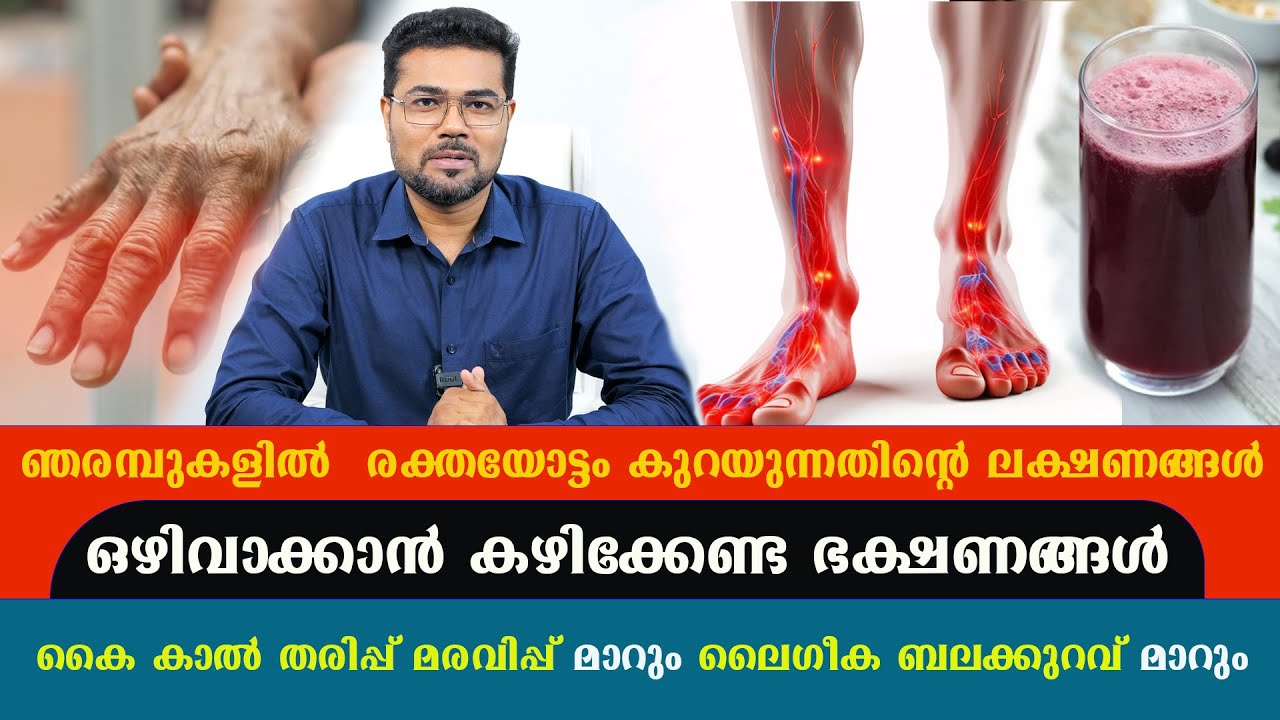
Poor blood flow is more common in people with diabetes, high cholesterol, and smoking. If not treated on time, it can lead to gangrene in the legs or a heart attack. Exercising daily and avoiding fatty foods can help increase blood flow.
Slowing blood circulation in the body can also affect heart health. The main symptoms are:
1. Pain and cramping in the legs (Claudication)
You may experience severe pain or cramping in the muscles of the legs (especially below the knee) when walking a short distance or climbing stairs. This pain will go away when you rest.
2. Coldness in the hands and feet
The main symptom of poor blood flow is the feeling of coldness in the palms and feet compared to other parts of the body.
3. Discoloration of the legs
When blood flow is reduced, the legs may appear pale or bluish-red. It is also important to note that the legs turn pale quickly when they are raised.
4. Wounds take a long time to heal
Even small wounds on the legs or feet take a long time to heal or become crusty due to poor blood circulation.
5. Numbness and weakness
Even when resting, you may experience numbness and weakness in your limbs. Your muscles may feel weak because they are not getting enough blood.
6. Changes in your skin and nails
Note that the skin on your legs may become shiny and thin. In addition, your toenails may grow less and become thicker. The hair on your legs may fall out and become smooth.
7. Decreased pulse in the legs
When doctors examine the blood vessels in the legs, they find that the pulse is very weak or absent, which is a sure sign of impaired blood flow.