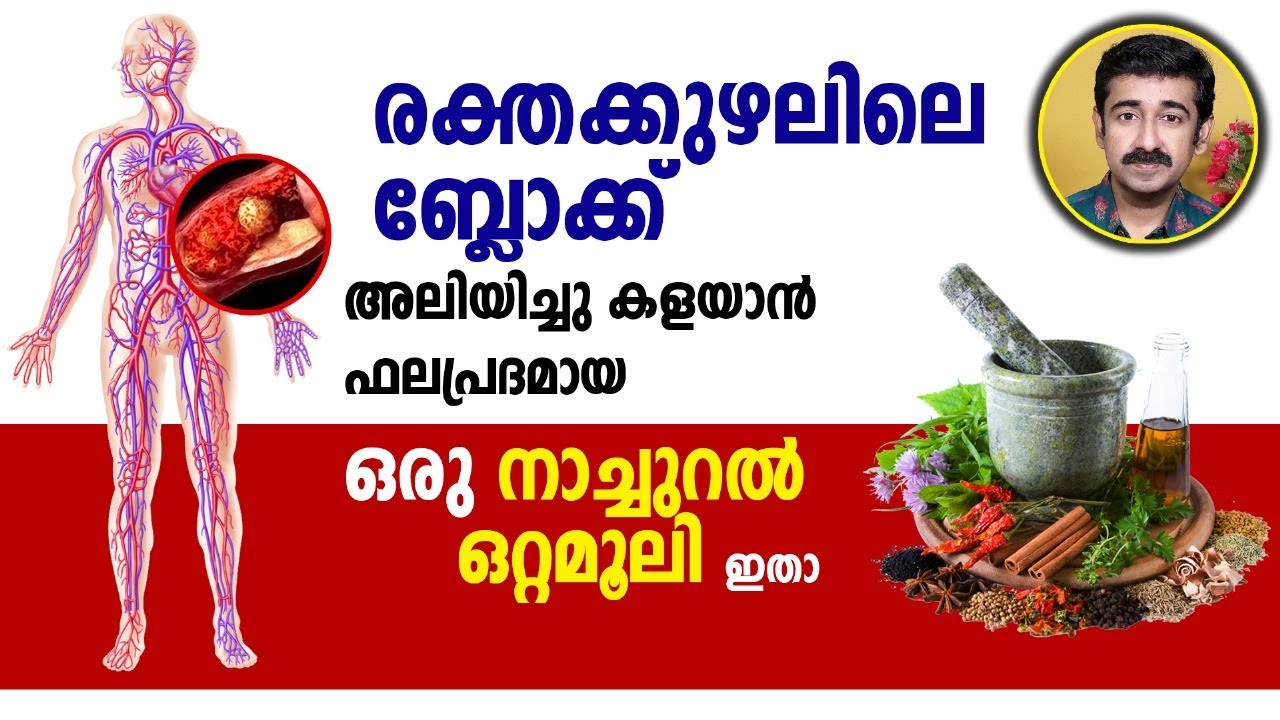
Blood vessel blockage can be prevented to some extent through lifestyle changes. Eating fiber-rich foods, fruits, and vegetables, and exercising daily can help lower cholesterol. Getting regular heart checkups for those over the age of 35 can help detect the disease early
The blockage is caused by the formation of plaque, a mixture of fat and other substances, on the inner walls of the arteries. The main factors that lead to this are:
1. High Cholesterol
When ‘bad cholesterol’ (LDL) increases in the blood, it sticks to the walls of the blood vessels. Over time, it thickens and narrows the path for blood flow.
2. High Blood Pressure
When blood flows under excessive pressure, scratches form on the inner walls of the arteries. These damages can easily lead to fat accumulation.
3. Smoking
The toxins in cigarettes directly damage blood vessels and cause them to narrow. Smokers are also more likely to develop blood clots.
4. Diabetes
Excessive sugar in the blood weakens blood vessels. Diabetics are more likely to develop fat deposits than others.
5. Lack of exercise and obesity
When physical activity decreases, the body’s metabolism slows down and fat accumulates in blood vessels instead of muscles.
6. Poor diet
Consumption of trans fat, fried and fried foods, and excessive sweets damage the health of blood vessels.
Some signs to identify a block:
Chest pain that occurs when doing light exercise or walking.
Sudden shortness of breath.
Excessive sweating and fatigue.
Numbness and tingling in the hands or feet.