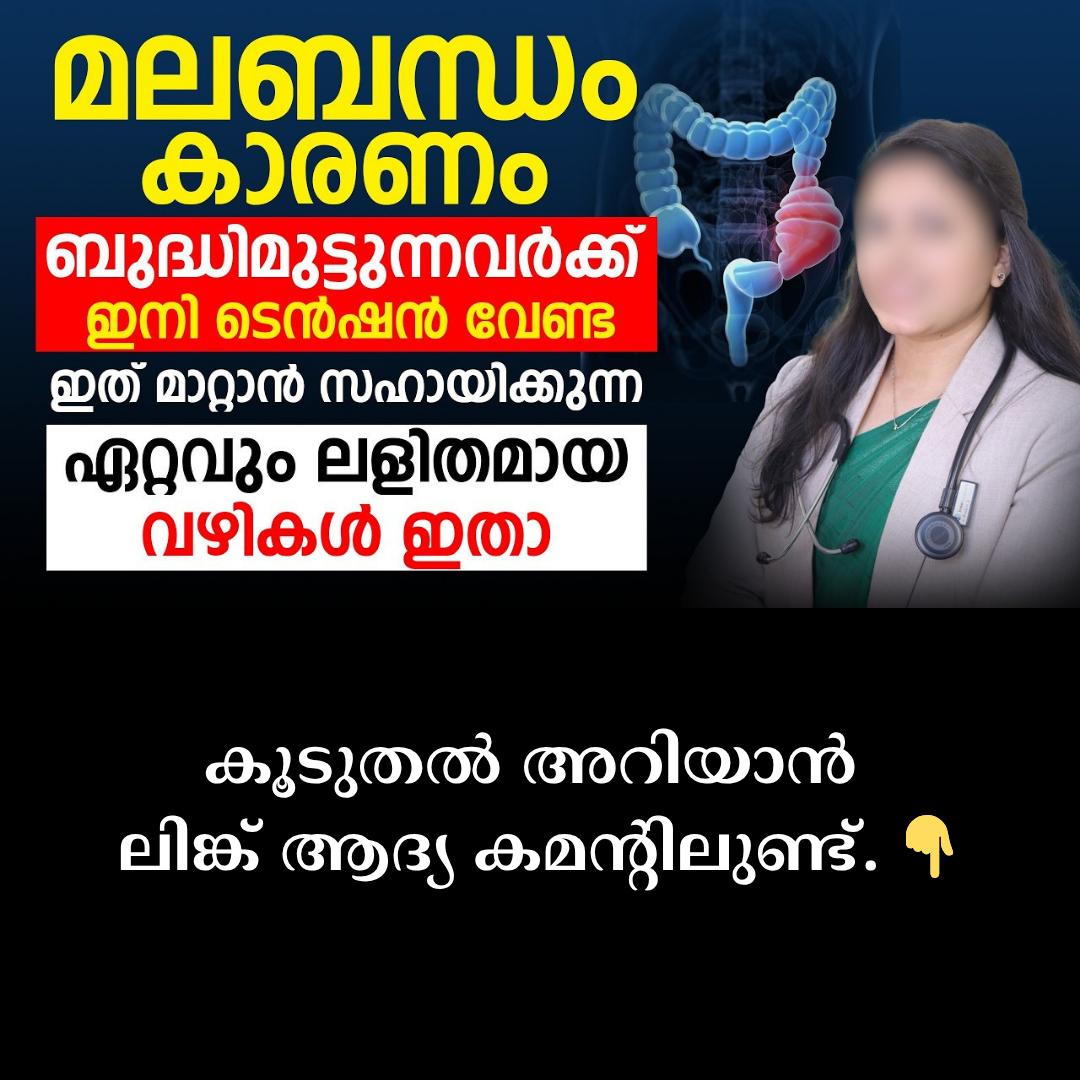
Constipation is a major problem that affects most people today. The main condition is that the bowel movements slow down and the stool gets stuck in the colon for a long time and becomes hard. Here are the 5 main scientific reasons behind the difficulty in passing stool:
Low-Fiber Diet: When the fiber in the food we eat is low, the stool becomes hard. Eating flour desserts, fast food, bakery items, fried and fried foods, excessive red meat and completely avoiding vegetables and fruits can affect the smooth movement of the bowel.
Not drinking enough water: If you do not drink the right amount of water every day, the colon will completely absorb the water from the food debris. This makes the stool dry and hard like a stone. You have to exert a lot of pressure on the anus to expel it.
Sedentary Lifestyle: People who sit for hours without any exercise during the day slow down their digestive process. Exercising stimulates the muscles in the intestines and helps stool move down more easily.
Habit of holding back bowel movements: Holding back bowel movements for a long time due to work or laziness can cause the large intestine to lose water again and the stool to become thicker. If this habit continues, the brain will stop giving natural signals to defecate over time.
Use of certain medications and hormonal changes: Severe painkillers, iron supplements, some blood pressure medications, and antacids taken for acidity can cause constipation. In addition, people with hypothyroidism, diabetes, and pregnancy also have a slower bowel movement.
Things to do at home to make your bowel movements easier:
Include high-fiber foods: Oats, ragi, brown rice, spinach, okra, papaya, fruits, and soaked raisins in your diet.
Drink more water: Make sure you drink at least 3 liters (10-12 glasses) of water daily. Drinking a glass of warm water as soon as you wake up in the morning will increase bowel movements.
Correct Posture (Squatting Position): When using a European toilet, sit with a small stool under your legs. This will straighten the muscles in the anus and help the stool pass easily.