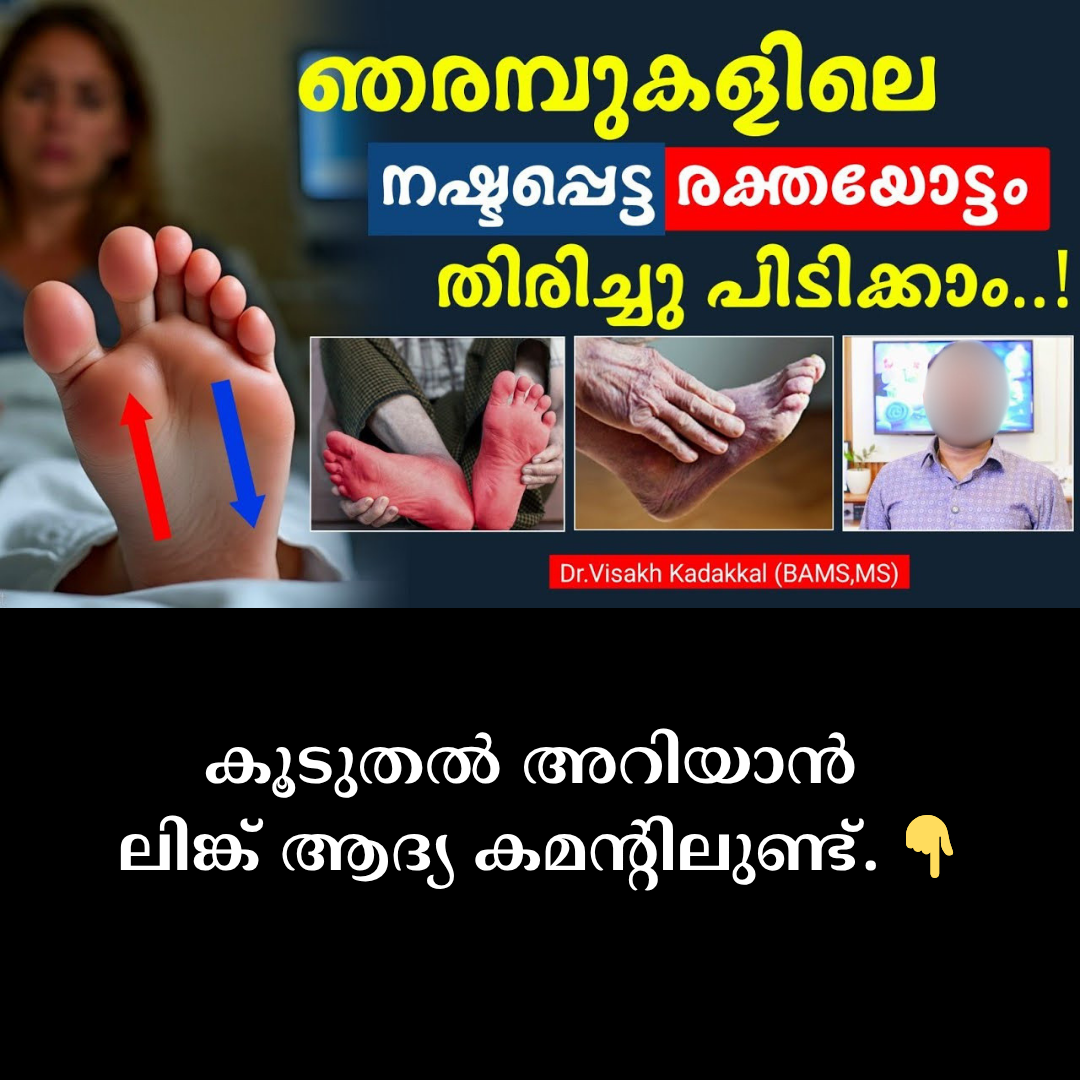
Oxygen and proper nutrients are delivered to all organs of our body through blood flow. But when the blood vessels to the hands and feet narrow or become blocked for some reason, blood flow slows down. This can cause chronic numbness, numbness, and muscle pain. Here are the main reasons that lead to this:
Atherosclerosis: This is the most important reason for reduced blood flow. When bad cholesterol (LDL) increases in the body, thick fatty layers (plaque) accumulate inside the blood vessels. As a result, the diameter of the blood vessels decreases and blood flow from the heart to the hands and feet is obstructed.
Peripheral Artery Disease (PAD): This is a condition usually seen in the elderly and smokers. This disease is caused by narrowing of the arteries that carry blood from the heart to the legs. This is why you may experience severe pain and cramping in the muscles in the back of your legs (claudication) even after walking a short distance.
Uncontrolled diabetes and high blood pressure: High blood sugar levels can damage the elasticity of your blood vessels and make them stiff. Similarly, high blood pressure (high BP) weakens the walls of your blood vessels. Both of these can significantly reduce blood flow to your extremities.
Lack of exercise and sedentary work: People who work in front of a computer for hours or who do not do much physical activity naturally have slower blood circulation. The movement of the muscles in our legs helps pump blood back to the heart. This process is disrupted when we do not walk.
Varicose Veins: When the valves in the blood vessels in our legs become weak, blood starts to pool in our legs instead of flowing upward. This can cause blood vessels to thicken and swell, obstructing proper blood flow to the legs, and causing severe heaviness and pain.