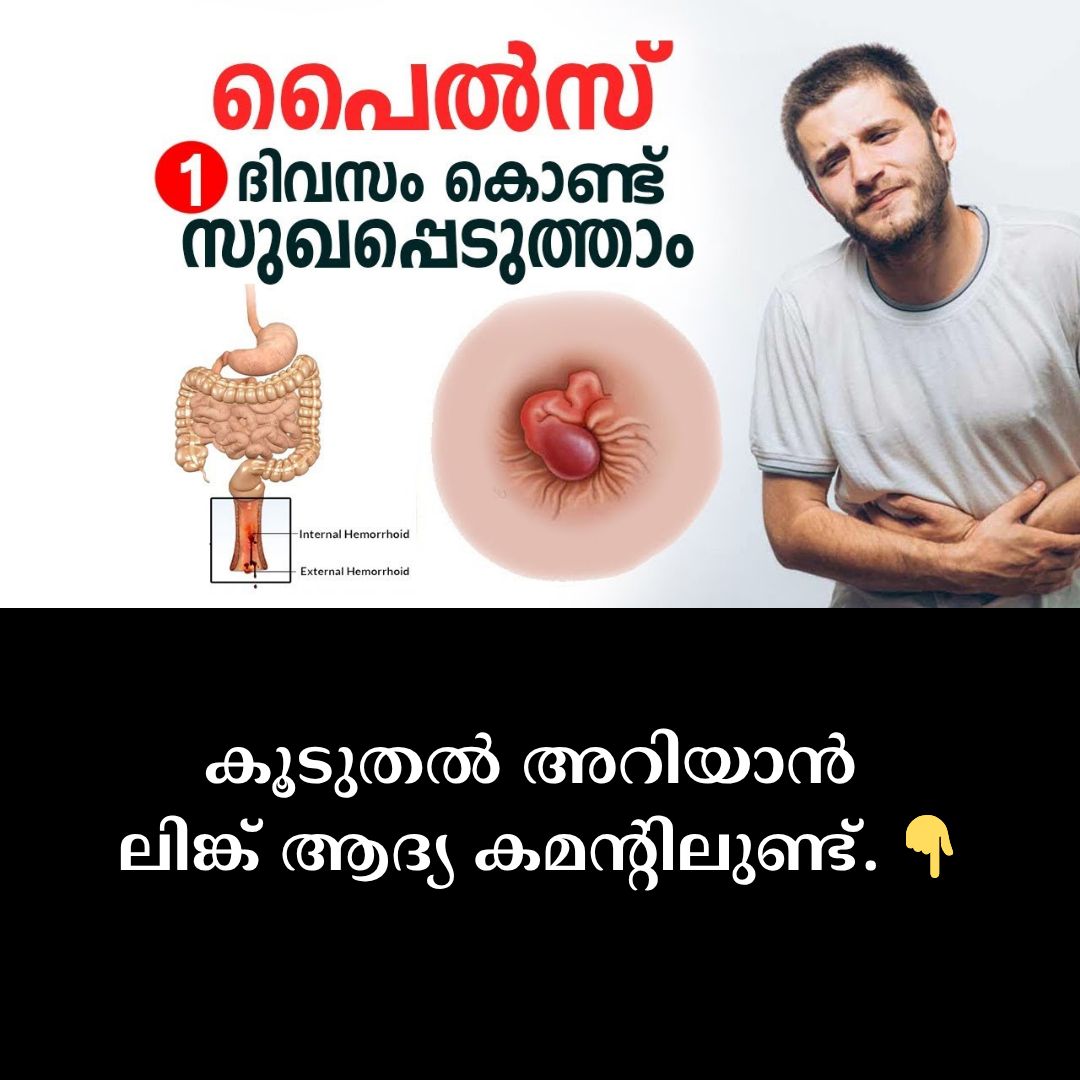
Piles are a condition in which the blood vessels in the anus and rectum swell. This causes pain and bleeding during bowel movements. The main reasons leading to this are:
Chronic Constipation: The most important cause of piles is constipation. When the stool becomes hard, the muscles in the anus have to exert excessive force to expel it. This pressure causes the blood vessels to swell and piles to form.
Low-fiber diet: Eating foods low in fiber slows down the digestive process. With a decrease in vegetables, fruits, and whole grains, the stool becomes hard. This affects the movement of the intestines and leads to piles.
Sitting for long periods of time and habits: People who sit in the same place for hours on end increase the pressure on the blood vessels around the anus. Additionally, sitting on the toilet for long periods of time (for example, while using a mobile phone) doubles the pressure on this area.
Obesity and pregnancy: When you gain weight, there is extra pressure on the blood vessels in the pelvic area. During pregnancy, the uterus enlarges and constipation due to hormonal changes increase the risk of piles in women.
Genetic factors and age: As you age, the muscles that support the tissues in the anus and rectum weaken. This can lead to the formation of piles. Also, people with a family history of piles are more likely to have this problem genetically.