The main causes and conditions for this are as follows:
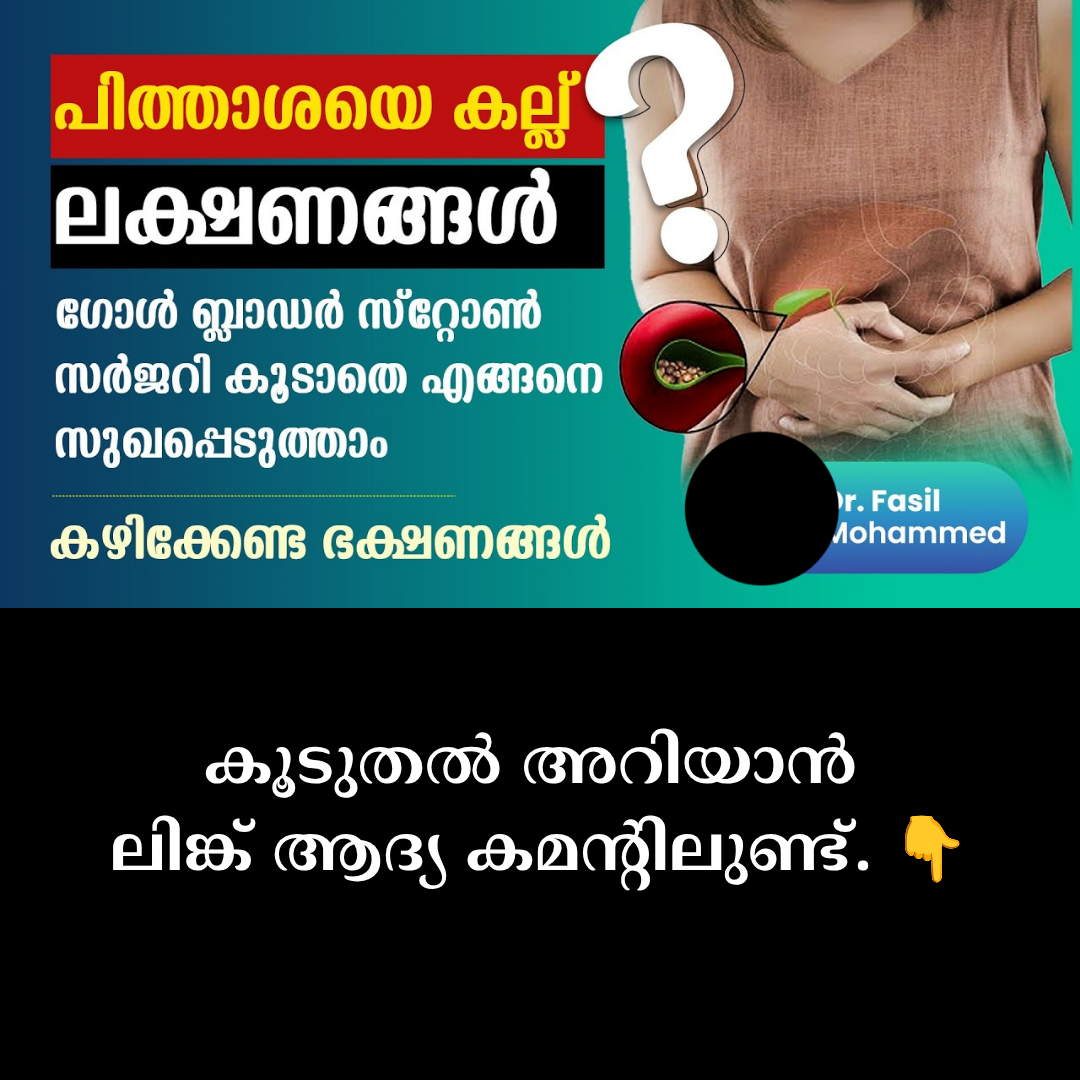
Main causes of gallstones
High cholesterol: If there is too much cholesterol in the bile, it can turn into stones without dissolving. Most gallstones are also made of cholesterol.
Bilirubin in bile: When the liver produces too much bilirubin (in people with certain blood diseases), it can cause gallstones.
Incorrect emptying of the gallbladder: If bile is not completely emptied from the gallbladder into the intestine, the remaining bile can harden and form stones.
Obesity: People who are obese are at a higher risk of developing gallstones.
Dietary habits: Eating foods high in fat and sugar but low in fiber can cause gallstones.
Rapid weight loss: Losing weight too quickly through dieting or surgery can cause changes in the gallbladder and contribute to the formation of stones.
Heredity: If your parents or siblings have this problem in your family, you are also at risk.
Symptoms:
Sudden, severe pain in the upper abdomen, especially on the right side.
Pain that spreads to the middle or right shoulder.
Vomiting and nausea.
Indigestion and gas problems.
What is the solution?
Diagnosis: The presence of stones can be easily detected through ultrasound scanning.
Treatment: If there is no pain or other problems, it can sometimes be controlled with medication. However, if the stones cause persistent pain or infection, the gallbladder may need to be removed through surgery (laparoscopic surgery).