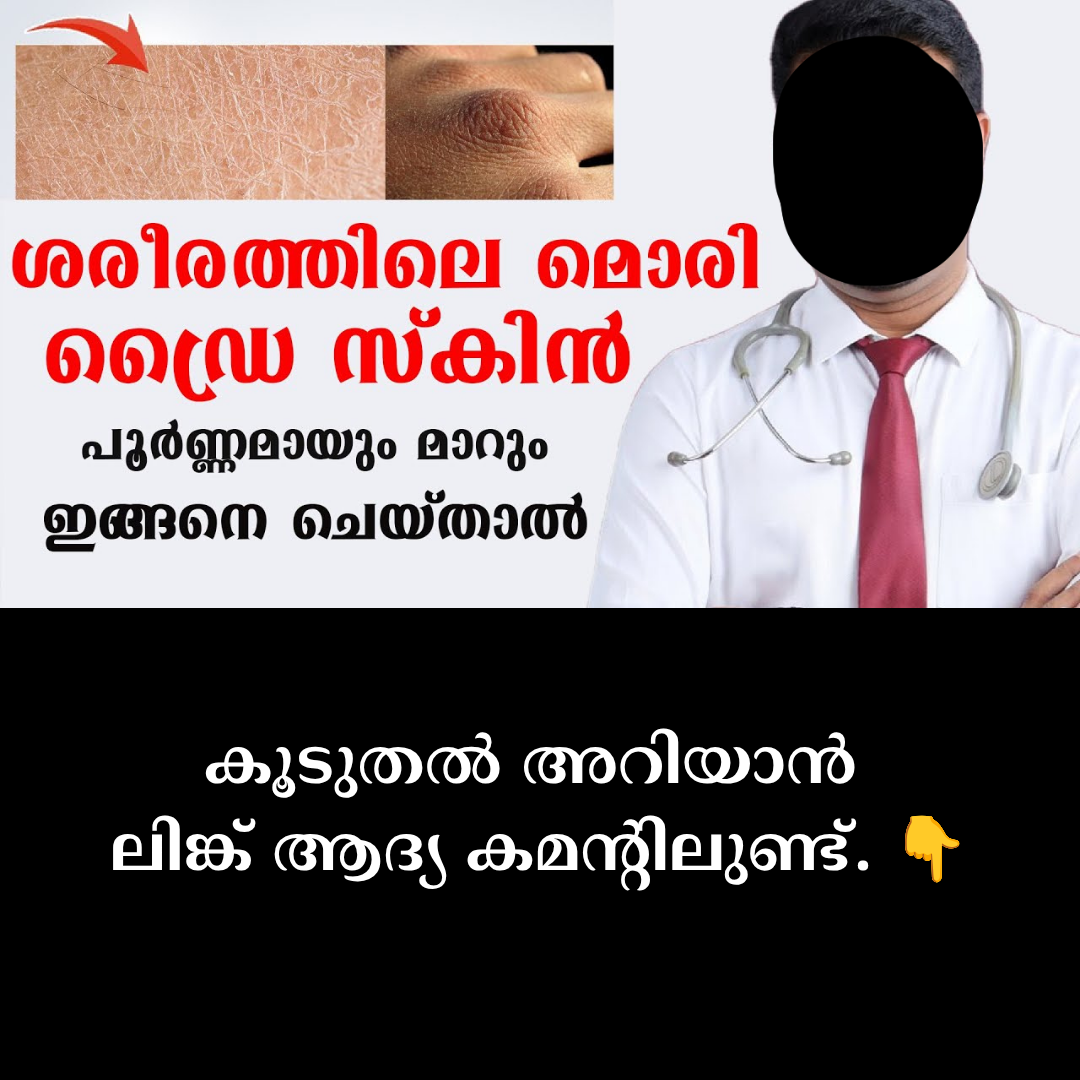
Skin feels tight, white patches appear, skin becomes dry and flaky, and sometimes itchy—Dry skin is a major skin problem that bothers many people today. The outermost layer of our skin is called the epidermis. The skin is soft when it has enough moisture and natural oils (Lipids/Sebum). But when these are lost, the skin becomes dry. Scientifically, this is called xerosis. Here are the 5 main scientific reasons behind this:
Lost natural oils in the skin: Sebum is the oil that the body produces to protect the skin from dryness. But as we age, the function of the oil glands in the body slows down and sebum production decreases. In addition, the dry air of hot weather and prolonged sitting in AC rooms are factors that quickly draw moisture from the skin into the atmosphere.
Use of harsh soaps and chemicals: One of the most important reasons for dry skin is the chemicals we use. Perfumed and harsh soaps, face washes, and alcohol-containing toners completely wash away the natural moisture and bacteria-fighting layer (Skin Barrier) of the skin. This can quickly dry out the skin.
Bathing in hot water and washing the face excessively: The habit of bathing in very hot water for a long time every day is not good for the skin at all. Hot water can remove the natural oiliness of the skin. Along with this, washing the face excessively with soap or face wash several times a day can also lead to severe dry skin by dehydrating the skin.
Dehydration: The health of the skin depends on the amount of water we drink. When you don’t drink enough water every day, your body becomes dehydrated and the first sign of this is your skin. When you don’t get enough water, your skin cells shrink and lose their glow.
Nutritional deficiencies and certain health problems: A lack of omega-3 fatty acids, vitamin E, and vitamin A in your diet can cause your skin to lose its elasticity. Along with this, chronically dry skin is also common in people with hormonal diseases such as hypothyroidism and diabetes, and in people with skin diseases such as eczema and psoriasis.
https://youtu.be/iKfTZW8pP-U