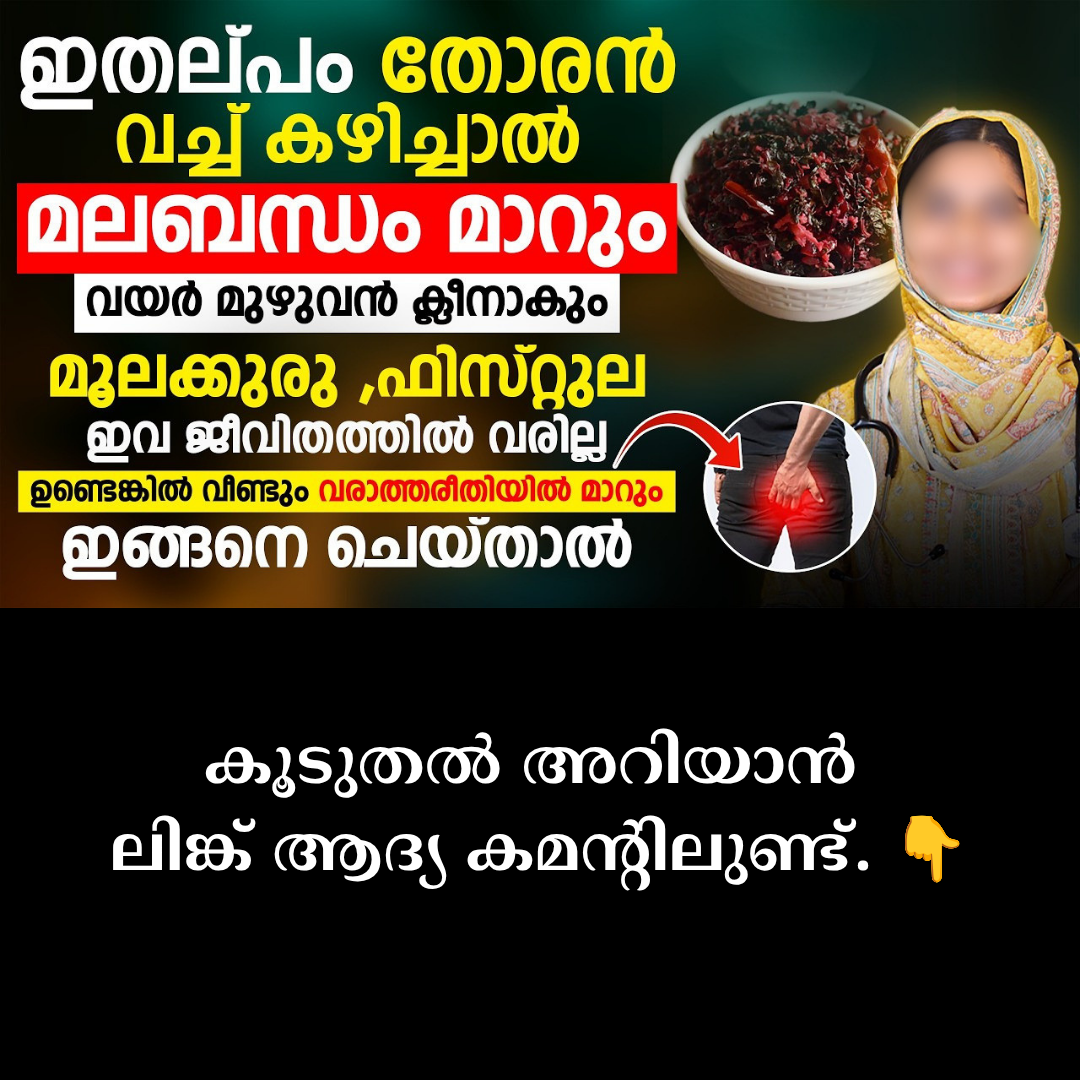
A small abscess forms around the anus, which bursts and oozes pus and blood, dries up after a while, and then a new abscess forms in the same area within a few days. An abnormal tunnel or tube-like passage that connects the glands inside the anus and the outer skin is scientifically called an anal fistula. Here are the 5 main scientific reasons behind the formation of fistula:
Prior Anal Abscess: The most important scientific reason for the formation of fistula is the pus-filled abscesses that form around the anus. When the small glands inside the anus become infected with bacteria, pus builds up there and an abscess forms. When these abscesses are not treated properly or the pus does not drain completely, the pus forms a tunnel under the skin and comes out. This later becomes a fistula.
Chronic Constipation & Straining: People with chronic constipation often have to strain excessively to pass hard stools. This severe straining causes small tears in the tissues of the anus (Anal Fissure), allowing bacteria to enter and infect the glands. This can also lead to fistula in people with piles.
Chronic diseases affecting the intestines (Crohn’s Disease & IBD): People with inflammatory bowel diseases (IBD), such as Crohn’s Disease and ulcerative colitis, are more likely to develop fistula. These diseases slowly destroy the lining of the intestines and cause multiple fistula tunnels to form around the anus.
Diabetes & Low Immunity: People with uncontrolled diabetes have a very low immune system. This can turn even minor infections in the anus into severe abscesses that can quickly develop into fistulas. Other conditions that lower the immune system, such as HIV, are also more likely to cause this.
Other infections and previous surgeries (Infections & Trauma): Rarely, tuberculosis and some sexually transmitted diseases (STIs) can cause infections in the anus and cause fistulas. Fistulas can also form due to minor injuries that occur during previous surgeries around the anus or due to radiation therapy given as part of cancer treatment.
https://youtu.be/ux2EJQz0sik