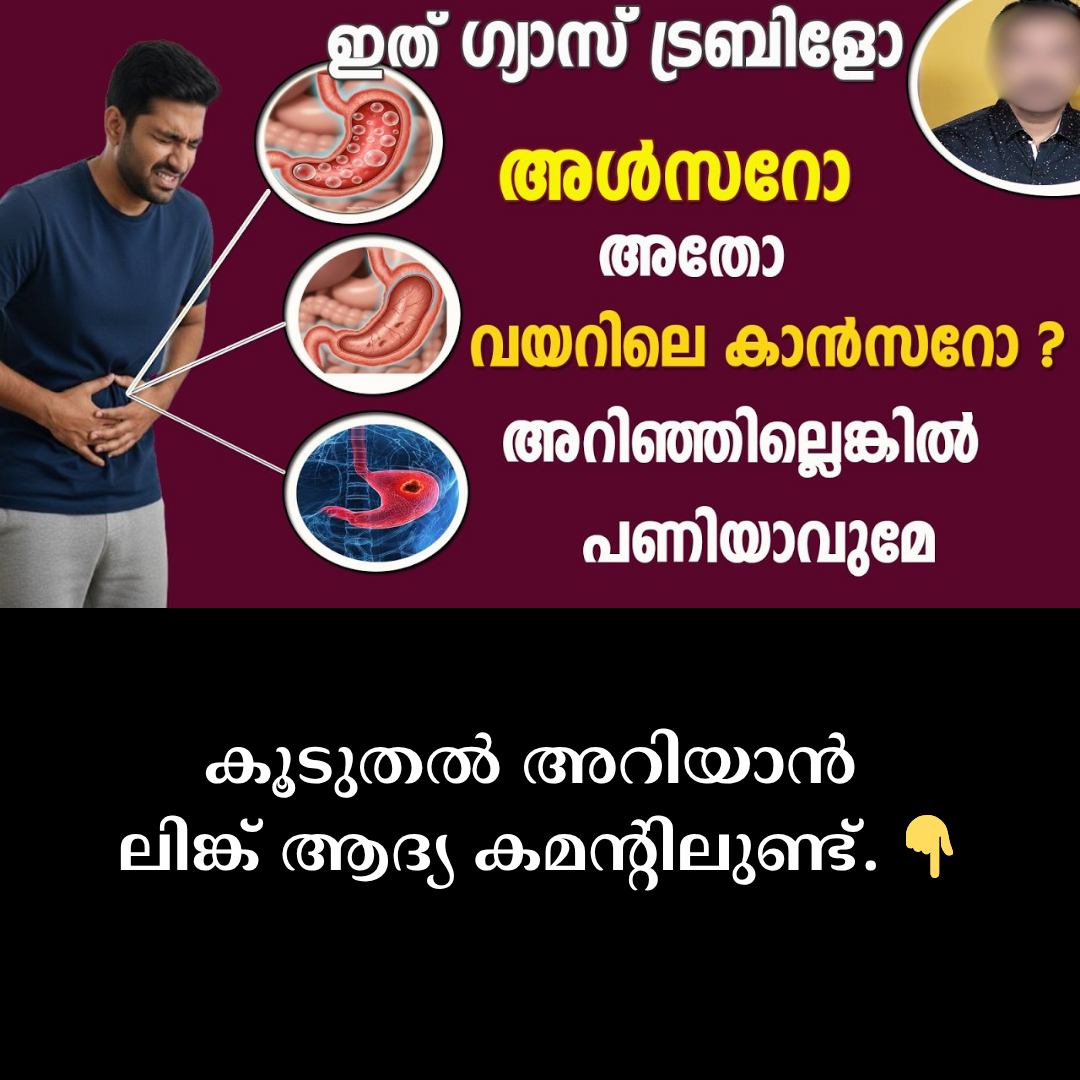
Stomach cancer or gastric cancer is the uncontrolled growth of cells in the stomach that digest food. Many people are late to recognize it because it only shows symptoms like normal gas trouble, heartburn, or acidity in the early stages. Here are 5 main scientific reasons behind the DNA structure of stomach cells breaking down and turning into cancer:
H. Pylori Infection: Science points out that the most important cause of stomach cancer is the bacterial infection called Helicobacter pylori. These bacteria live on the inner walls of the stomach for a long time and cause chronic inflammation and ulcers. This infection, which lasts for many years, can slowly cause the cells there to turn into cancer cells.
Poor diet and preservatives: Eating too much salted foods, pickles, smoked meat, and processed meats like sausages greatly increases the risk of stomach cancer. The nitrates and nitrites in such foods, when mixed with stomach acid, turn into deadly ‘nitrosamines’ and can damage cells.
Smoking and excessive alcohol consumption: Smokers are twice as likely to develop stomach cancer than non-smokers. The toxins in cigarette smoke reach the stomach through saliva and damage the lining of the stomach. Heavy drinking can also cause chronic inflammation in the stomach cells, leading to cancer.
Heredity and genetic factors: If someone in your family has had stomach cancer, there is a genetic risk of it developing in the next generation. Hereditary diffuse gastric cancer (HDGC), which is caused by mutations in the CDH1 gene, is a hereditary disease.
Past diseases and surgeries: People with chronic gastritis, pernicious anemia (a condition caused by vitamin B12 deficiency), and small growths in the stomach (gastric polyps) are at increased risk of developing cancer in the future. People who have had stomach surgery to repair ulcers in the past are also at increased risk of developing cancer years later.