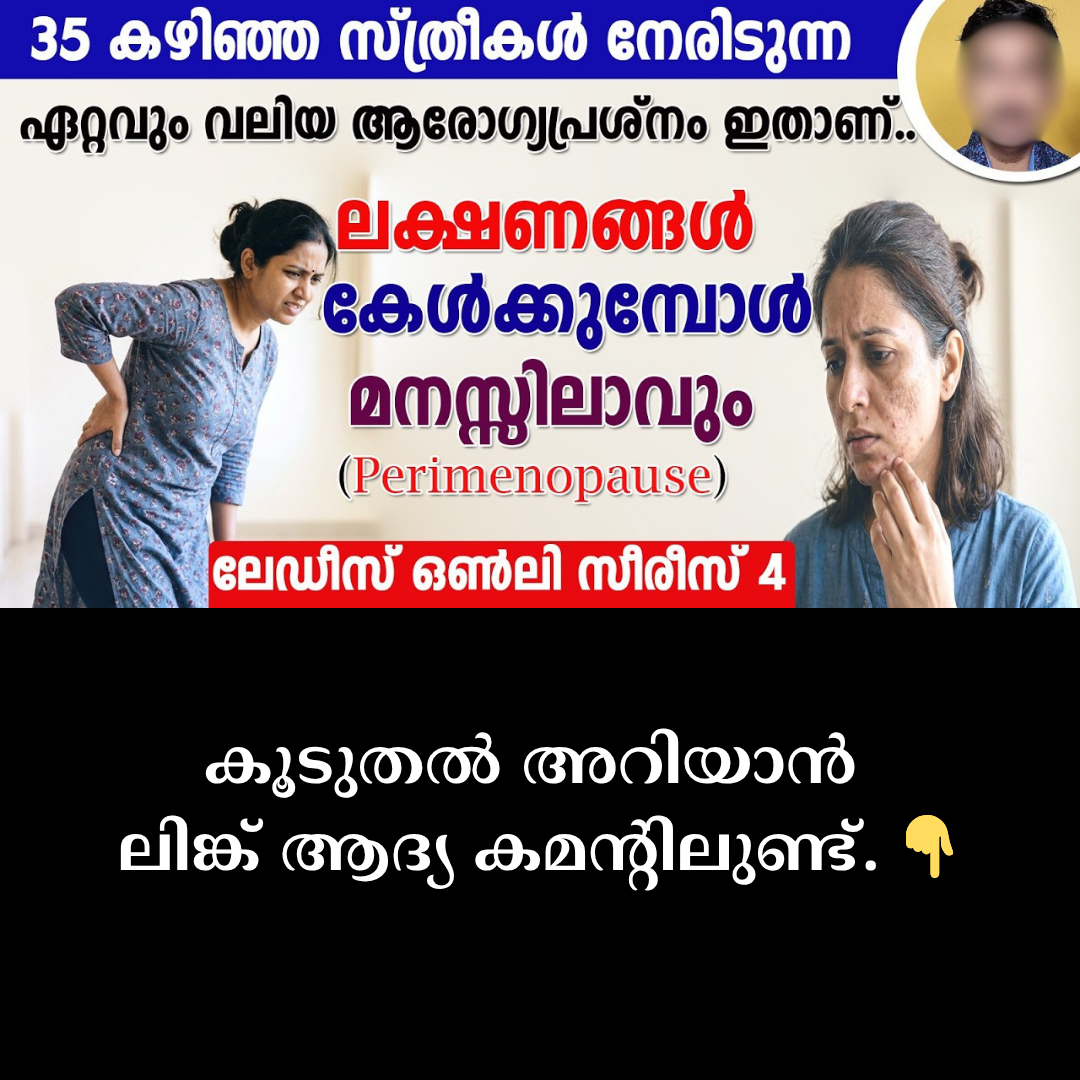
The period after 35 is an age when major physical and hormonal changes occur in women’s lives. If special attention is not paid to health matters at this age, it may cause serious problems in the future. The main challenges are:
Hormonal changes and pre-menopause: After the age of 35, changes in the level of the estrogen hormone may begin. This causes changes in the menstrual cycle, excessive anger, insomnia, and sudden physical heat (hot flashes).
Osteoporosis: From this age, bone density starts to decrease. Due to calcium deficiency, joint pain and back pain may occur. If this is not taken care of, the risk of bones breaking quickly in the future increases.
Decreased metabolism and obesity: The body’s metabolism slows down at this age. Therefore, even if you eat the same food as before, you may gain weight quickly. This can lead to diabetes and high blood pressure.
Thyroid problems: Thyroid dysfunction is common in women after the age of 35. Symptoms include extreme fatigue, hair loss, and sudden weight gain or loss.
Reproductive health and cancer risk: Late pregnancy can lead to complications. In addition, the risk of breast cancer and cervical cancer increases from this age.