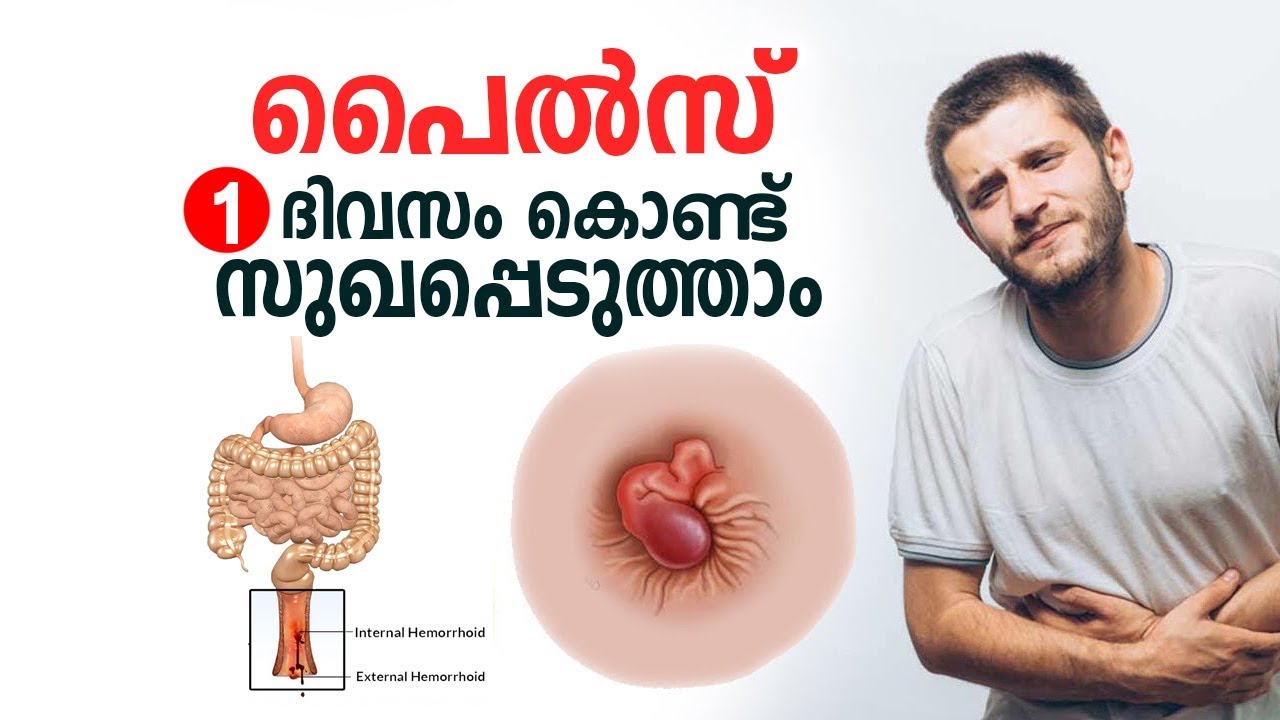
The main causes of piles are as follows:
1. Chronic Constipation
The main cause of piles is difficulty in defecating due to constipation. Straining puts pressure on the muscles and blood vessels in the anus, causing them to swell.
2. Low-fiber diet
A diet low in fruits, vegetables, and whole grains causes stool to become hard. Regular consumption of flour dishes, fast food, and excessive meat consumption can lead to constipation and then piles.
3. Sitting for long periods of time
People who work for long hours in a sitting position experience excessive pressure on the areas around the anus. This problem is more common in IT employees and drivers.
4. Pregnancy
As the uterus enlarges during pregnancy, the pressure inside the abdomen increases. In addition, constipation during this time due to hormonal changes increases the risk of piles.
5. Obesity and lack of exercise
Increased body weight increases pressure on the lower blood vessels. Piles can also be caused by slow digestion in people who do not exercise regularly.
6. Lack of water intake
Dehydration in the body affects digestion and makes stools hard. Drinking plenty of water is essential for smooth bowel movements.
3 tips to prevent piles:
Fibrous foods: Eat plenty of legumes, leafy vegetables, oats, and fruits.
Water: Drink at least 3-4 liters of water a day.
Exercise: Making walking a habit will help facilitate bowel movements