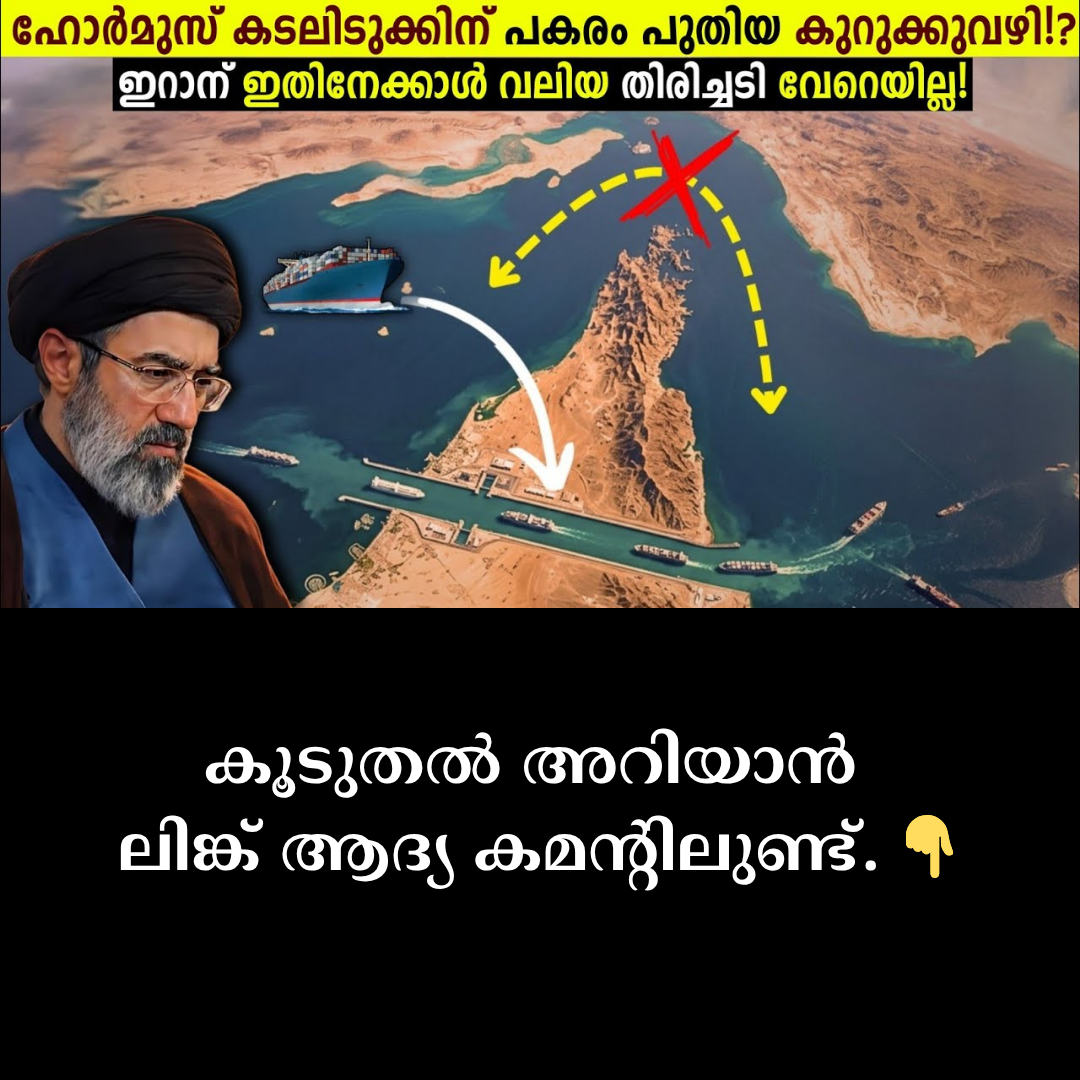
1. Geopolitical Threats
The Strait of Hormuz is adjacent to Iran. When tensions between Iran and the West escalate, Iran often threatens to close the strait. This destabilizes global oil supplies. Finding an alternative route helps countries ensure security in their oil supplies.
2. Oil Security and Stability of Supply
A fifth (about 20%) of the world’s total oil demand passes through this narrow route. If it is blocked, oil prices will soar in the global market and cause an economic crisis. Countries are building overland pipelines to reduce this risk.
3. The Shortcuts
The main shortcuts currently being implemented are:
Saudi Arabia’s East-West Pipeline: This pipeline helps transport oil from the Arabian Gulf directly to the Red Sea from the east coast. This allows oil to be sent to Europe without going through the Strait of Hormuz.
Abu Dhabi Crude Oil Pipeline (HABSHAN-FUJAIRAH): This pipeline helps transport UAE oil directly to the Fujairah port in the Indian Ocean.
Benefits
Time savings: Ships do not have to travel long distances.
Cost reduction: Transportation costs can be significantly reduced.
Security: This will help ensure uninterrupted oil supply in any war situation.
https://youtu.be/eDJA1srOp5g