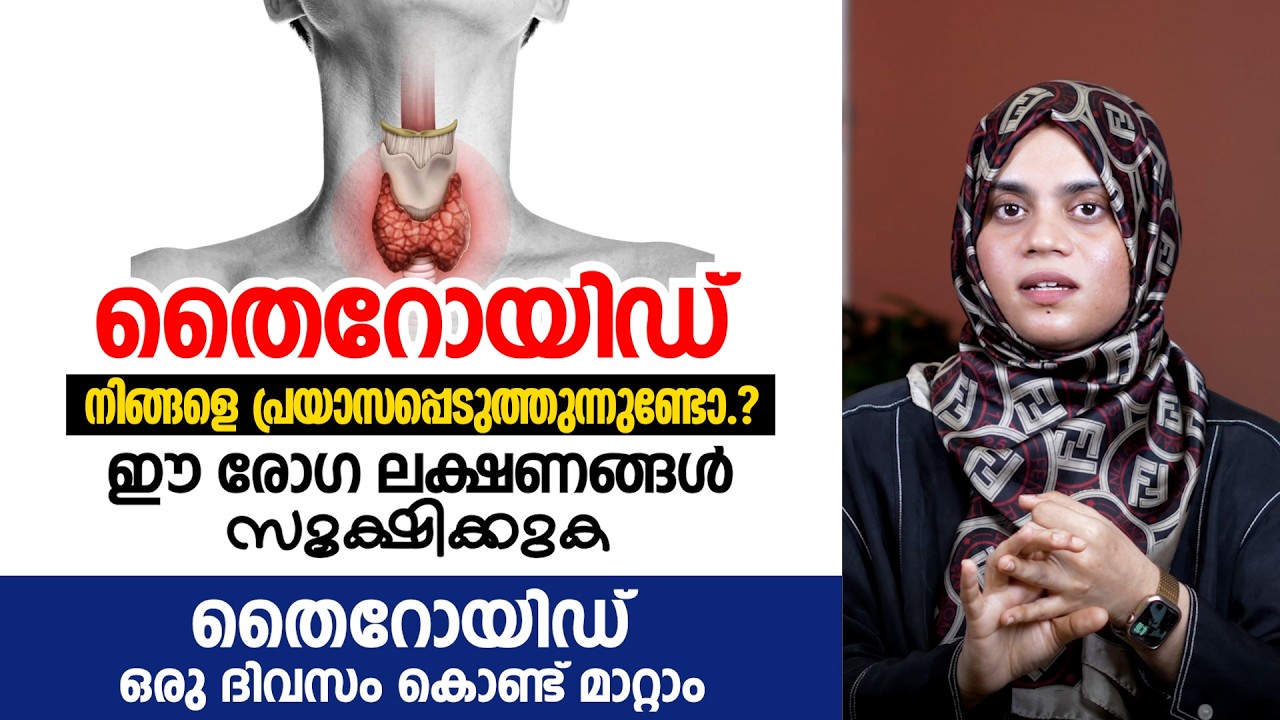
The thyroid is a small butterfly-shaped gland located at the front of our neck. This gland produces important hormones T3 (Triiodothyronine) and T4 (Thyroxine), which control the process of converting food into energy (Metabolism) by the body’s cells. When the thyroid hormone is low, the body’s function slows down (Hypothyroidism), and when the hormone is high, the body’s function speeds up (Hyperthyroidism). Here are the 5 main scientific reasons behind this:
Autoimmune Diseases: The most important scientific reason for the occurrence of thyroid diseases is the malfunction of our body’s immune system. In Hashimoto’s Thyroiditis, the immune system attacks the thyroid gland, seeing it as an enemy and destroying its ability to produce hormones (hypothyroidism). In contrast, in Graves’ Disease, these antibodies overstimulate the thyroid gland and cause it to produce more hormones (hyperthyroidism).
Iodine Deficiency / Excess in the Diet: Iodine is an essential element for the production of thyroid hormones. When the amount of iodine in the diet we eat is too low, the thyroid gland malfunctions and enlarges to produce more hormones. This is called a goiter. However, in some people, too much iodine in the body can also cause thyroid disorders.
Genetics & Family History: If your mother or sisters have a history of thyroid disease, the next generation is more likely to develop the disease. Thyroid hormone changes are eight times more common in women than in men. This is due to a genetic weakening of the thyroid gland.
Chronic Stress: When there is chronic severe mental stress, the body releases a large amount of the hormone cortisol. High levels of cortisol interfere with the function of the TSH hormone released by the pituitary gland in the brain to stimulate the thyroid. This can completely disrupt the balance of thyroid hormones.
Pregnancy & Hormonal Changes: The severe hormonal changes that occur in a woman’s body during pregnancy directly affect the function of the thyroid gland. In some women, the thyroid gland becomes inflamed within the first year after giving birth. This is called postpartum thyroiditis. Also, people with PCOS/PCOD are more likely to have thyroid problems.