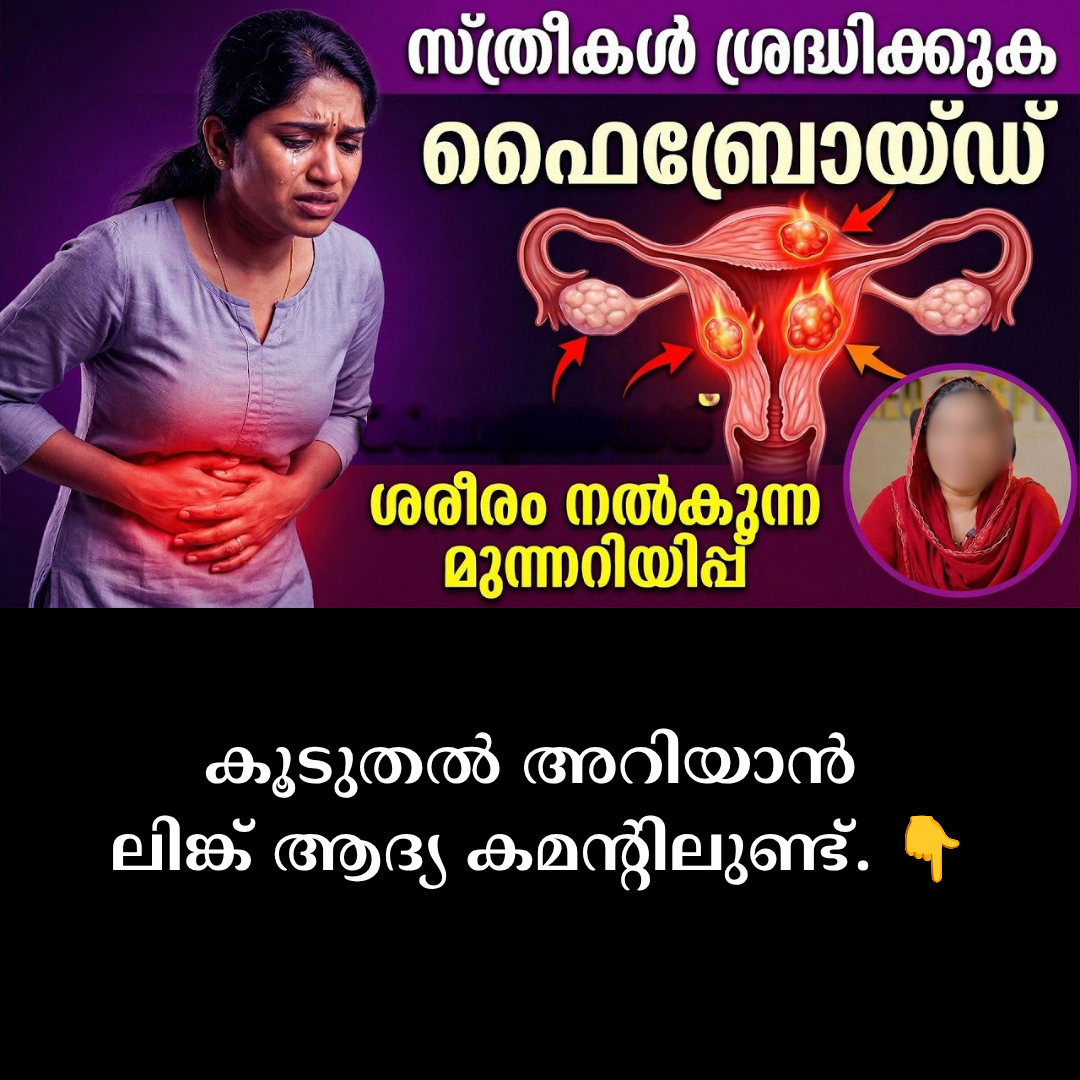
Uterine fibroids are non-cancerous tumors that develop in the muscular walls of a woman’s uterus. They are very common in women of reproductive age (especially between the ages of 30 and 50). Although they do not show any symptoms in many, in some they can cause severe menstrual pain, heavy bleeding, heaviness in the abdomen, and difficulty conceiving. Here are the 5 major scientific reasons behind the formation of fibroid tumors:
Hormonal Changes (Estrogen & Progesterone): The female hormones estrogen and progesterone play a major role in controlling the growth of fibroids. These two hormones stimulate the walls of the uterus to grow each month. Fibroids grow rapidly when these hormones are high. That is why they enlarge during pregnancy (when hormones increase) and shrink after menopause (when hormones decrease).
Genetics: If a mother or sister has fibroids in her family, the next generation of women is 3 to 4 times more likely to develop them. Scientists have found that fibroid cells contain genes that are completely different from those found in normal uterine cells.
Growth Factors: Changes in certain chemicals, such as insulin-like growth factor (IGF), which help cells in the body grow, can accelerate the growth of fibroids. These growth factors are more active in people with insulin resistance.
Obesity and lifestyle changes: Excessive weight gain can greatly increase the risk of fibroids in women. When excess fat accumulates in the body (adipose tissue), it can cause the body’s estrogen hormone levels to increase again. This is also seen in people who regularly eat fatty foods.
Early menstruation and vitamin deficiency: Girls who start menstruating at a very young age (before the age of 10-11) are more likely to develop fibroids later in life due to prolonged exposure to the hormone estrogen. Studies also suggest that low levels of vitamin D in the body and excessive consumption of red meat may increase the risk of fibroids.