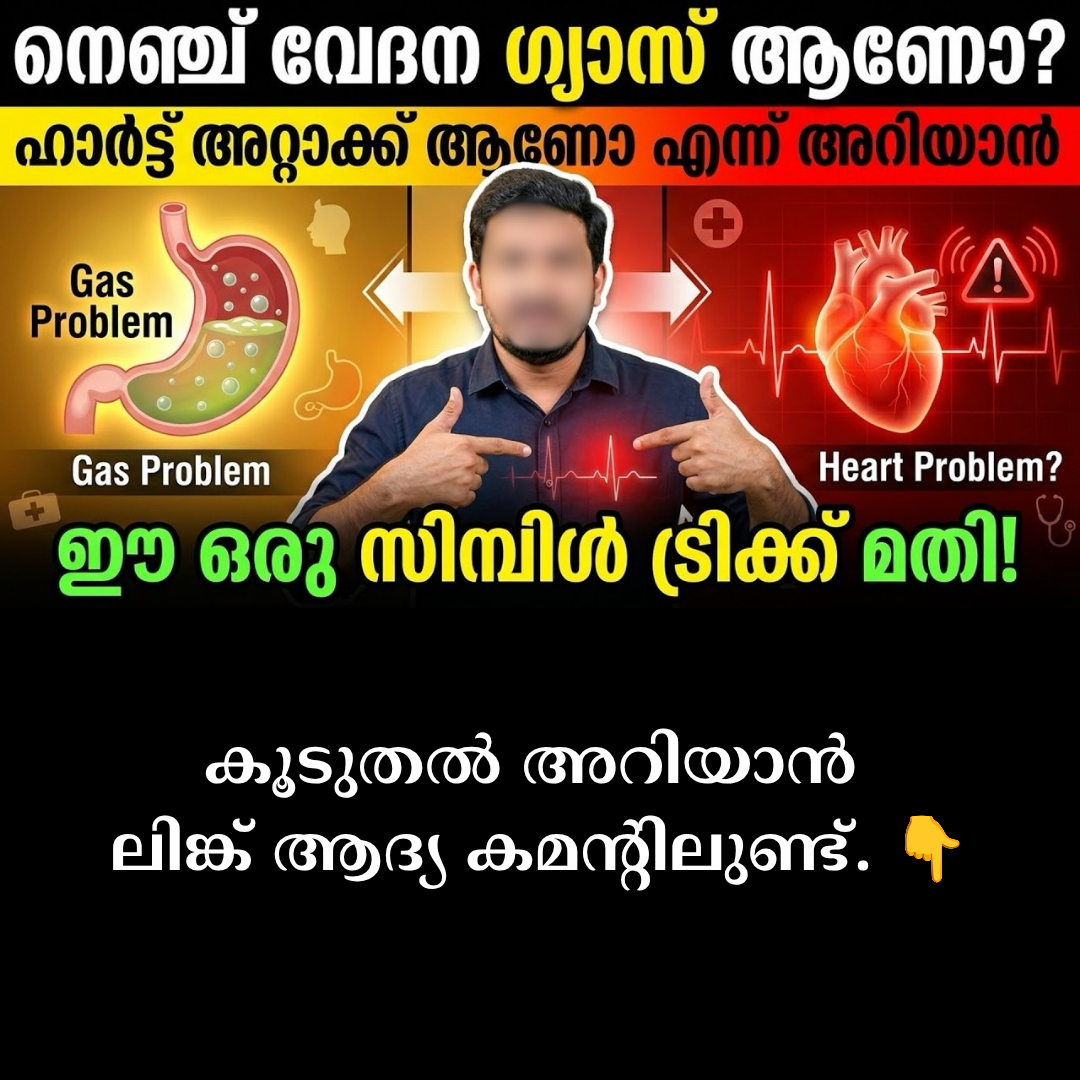
Excessive bloating, abdominal distension, severe pain in the lower abdomen, and heartburn after meals are a major problem that bothers most people today. A small amount of gas is naturally formed in the stomach and intestines as part of the process of digesting the food we eat. However, when this exceeds the limit, it causes severe discomfort to the body. Here are the 5 main scientific causes behind the occurrence of gastritis:
Aerophagia: Swallowing large amounts of air while eating is the main cause of gas without us realizing it. Eating food in a hurry, swallowing without chewing properly, talking while eating, drinking juices and water through a straw, and chewing gum can cause a large amount of air to enter the body. This can later turn into severe gas and cause discomfort.
Poor diet and carbonated drinks (Dietary Triggers): When you drink artificially gas-filled colas, soda, and energy drinks, large amounts of carbon dioxide gas enter the stomach. In addition, the small intestine cannot fully digest some complex carbohydrates (FODMAPs) found in tubers (potatoes, yams), legumes, peas, cabbage, and broccoli. When these are broken down by bacteria in the large intestine, large amounts of gas are produced.
Lack of good bacteria in the intestine (SIBO / Dysbiosis): There are trillions of good bacteria (gut microbiome) in our digestive system that help digest food. However, when bad bacteria multiply excessively in the intestines due to excessive use of antibiotics or a bad lifestyle, food quickly rots (fermentation) and causes the formation of gas with a strong odor.
Lactose Intolerance and Indigestion: Some people do not have the enzyme ‘Lactase’, which is needed to digest the sugar ‘lactose’ found in milk and milk products. When such people drink milk, soup, and tea, it remains undigested, causing diarrhea, severe gas, and stomach pain.
Mental stress and intestinal movements (Gut-Brain Axis): There is a direct connection between our brain and digestive system. When there is severe mental stress and anxiety, the body slows down the digestive process. This leads to food taking longer to digest, changes in intestinal movements, and diseases like irritable bowel syndrome (IBS), leading to severe gastritis.
https://youtu.be/yqG68Ct9JHg