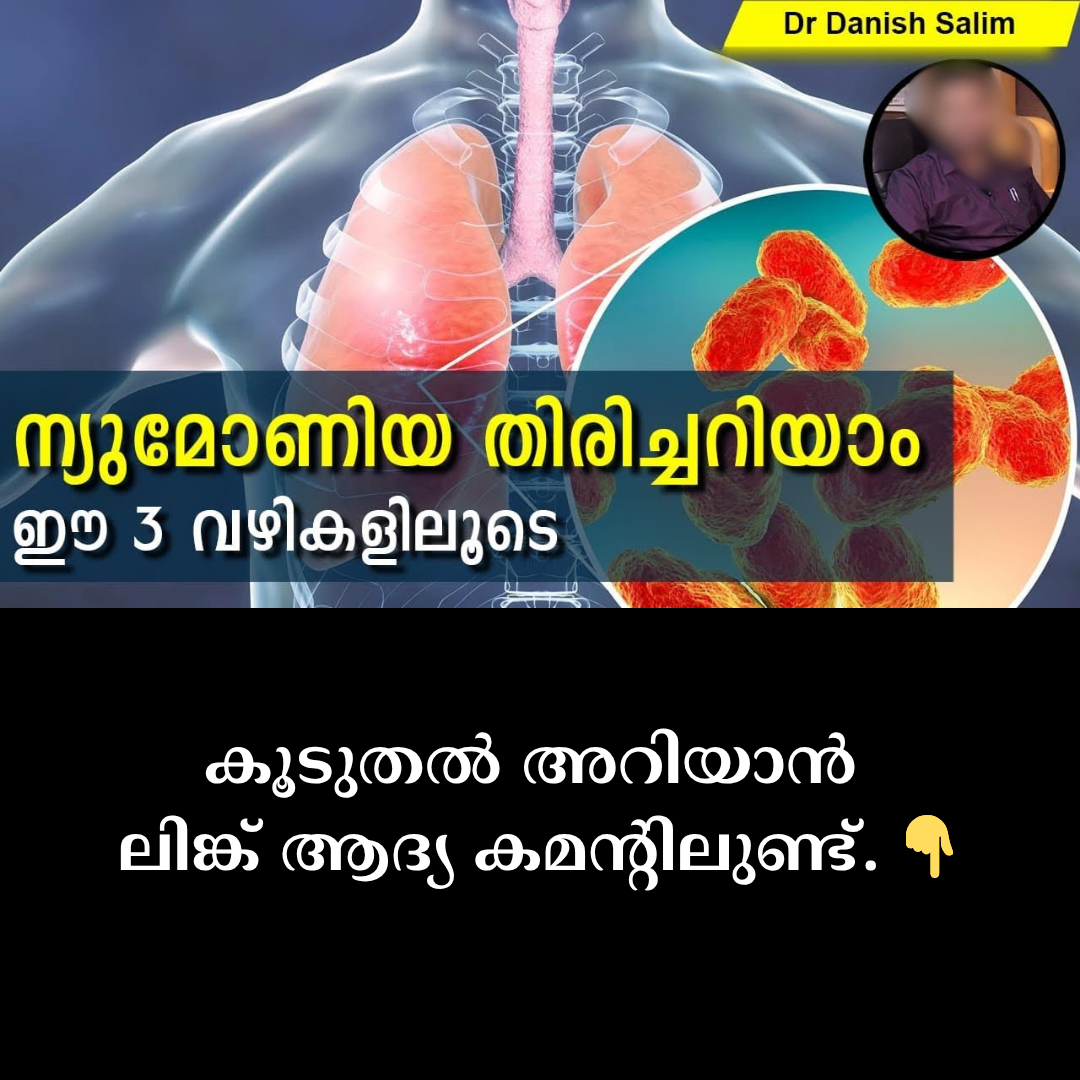
Pneumonia is a condition in which the air sacs (alveoli) in the lungs become inflamed and filled with pus. If not treated at the right time, it can be life-threatening. The main causes are:
Bacterial infection: The most common cause of pneumonia is bacteria. The bacterium ‘Streptococcus pneumoniae’ is the main one. It usually affects the lungs after the common cold or fever.
https://youtu.be/XfqLmX8X3ew
Viral infection: Influenza virus, RSV, coronavirus, etc. can infect the lungs and lead to pneumonia. Children and the elderly are more likely to get viral pneumonia.
Fungal infection: Pneumonia caused by fungi is found in people with very weak immune systems. It can be transmitted through fungal particles inhaled from contaminated soil or bird droppings.
Aspiration pneumonia: Infection can occur when food, water, saliva, or fluid from vomit reaches the lungs through the airways. It is more common in people who are unconscious or have been paralyzed.
https://youtu.be/XfqLmX8X3ew
Environment and pollution: Long-term exposure to chemical fumes and heavy air pollution can weaken the lungs’ immune system and make them more susceptible to infections.