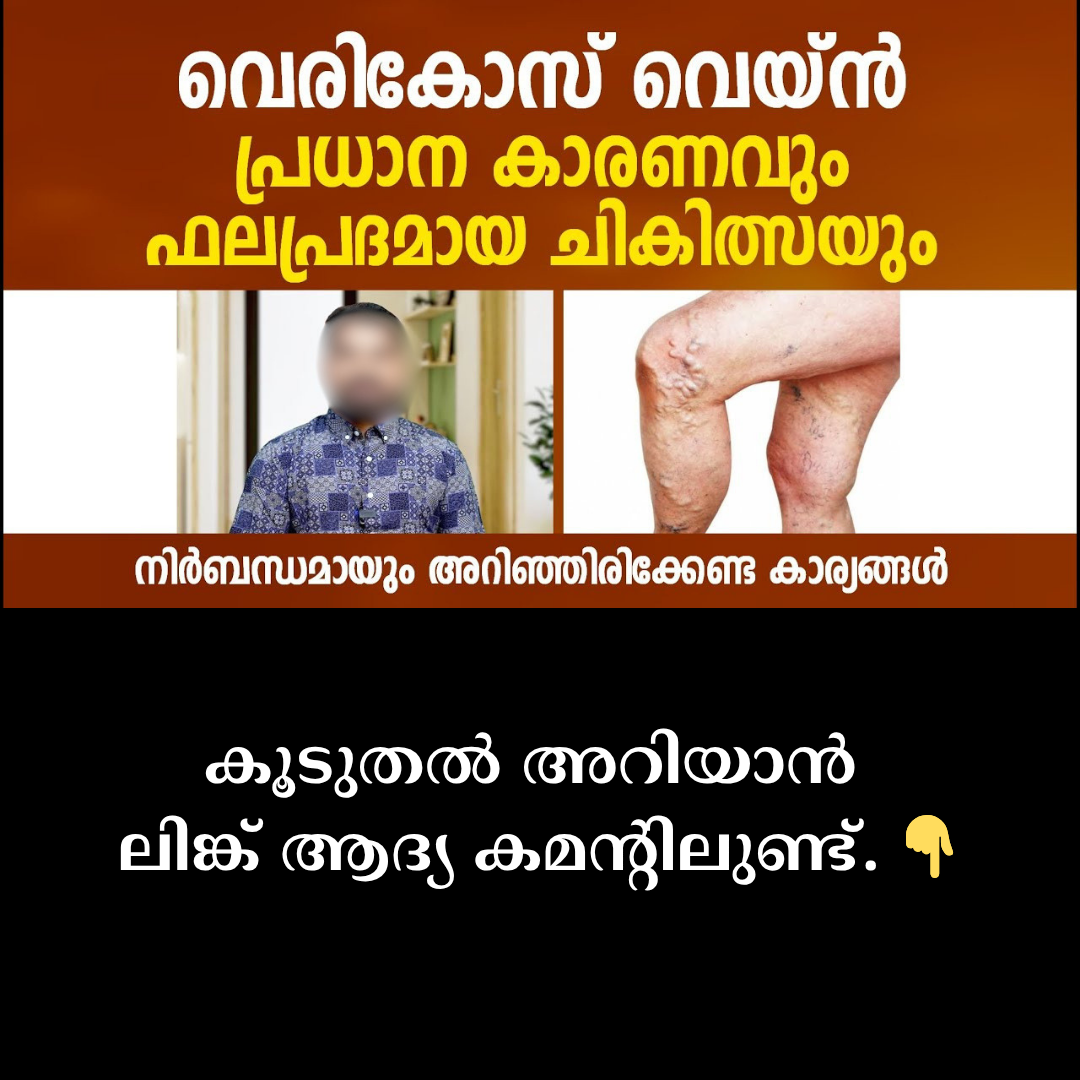
Varicose veins are a condition in which the blood vessels in your legs become blue or black and swollen. The main reason for this is the reduced functionality of the valves that return blood to the heart. The factors that lead to this are:
Working for long periods of time standing: People who work for long hours standing (for example, teachers, police officers, security guards) are more likely to develop varicose veins. When you stand, the blood tries to flow downward, which puts excessive pressure on the veins in your legs.
Physical inactivity: When you walk, the muscles in your legs act like a pump and push the blood upward. In people who do not exercise much and work for long periods of time without moving, this pumping does not work properly, and the veins swell due to blood pooling.
Obesity and age: As you gain weight, the pressure on the blood vessels in your legs increases. Similarly, as we age, the valves in the veins naturally wear down, causing blood to flow backward.
Hormonal changes and pregnancy: During pregnancy, the increased blood volume in the body and the pressure on the veins as the uterus expands can lead to varicose veins. Menopause and the use of hormonal pills are also causes.
Genetics: If parents or siblings in the family have this problem, others are more likely to develop varicose veins. This may be due to a congenital weakness in the walls of the veins.