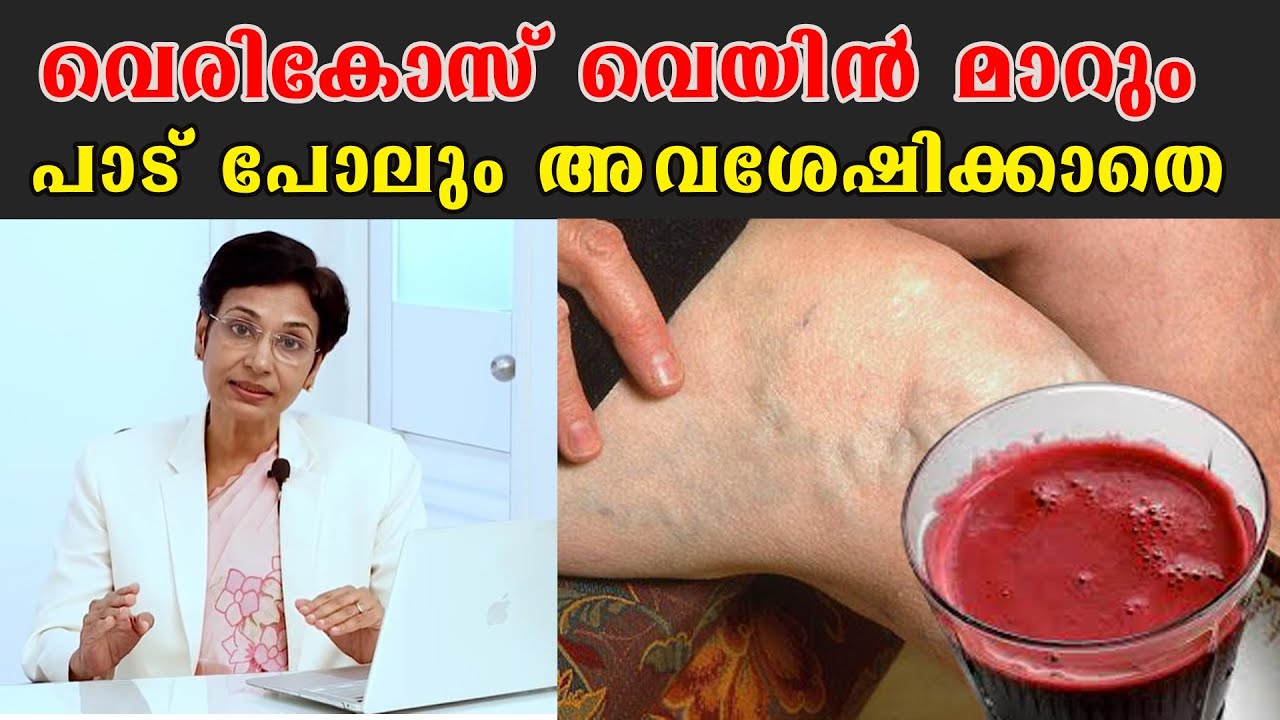
Varicose veins occur when the valves in our veins weaken. The main factors that lead to this are as follows:
1. Standing for long periods of time
Standing for hours on end puts a lot of pressure on the blood vessels in your legs. The veins have to work harder to pump blood upwards, which damages the valves. (For example: teachers, security guards, nurses).
2. Ageing
As we age, the elasticity of blood vessels decreases. As the valves in the veins weaken, blood flows downwards instead of going to the heart, causing the veins to swell.
3. Obesity
When you gain weight, there is extra pressure on the veins in your legs. This restricts blood flow and increases the risk of varicose veins.
4. Genetics
If parents or siblings have this problem in the family, the next generation is more than 50 percent likely to have varicose veins.
5. Pregnancy
During pregnancy, the increased blood volume in the body and hormonal changes cause the veins to expand. In addition, the growing uterus puts pressure on the blood vessels in the legs.
6. Lack of exercise
The movement of the leg muscles helps push the blood up. People who do not exercise and do not walk much are more likely to have blood pooling in the legs.
3 simple ways to prevent it:
Elevate your legs: Keeping your legs slightly higher than the level of your heart while resting will facilitate blood flow.
Avoid standing still: Try to walk or sit down frequently when you have to stand for a long time.
Compression stockings: Wearing special types of socks (Compression Stockings) as prescribed by your doctor can help reduce pressure on the veins