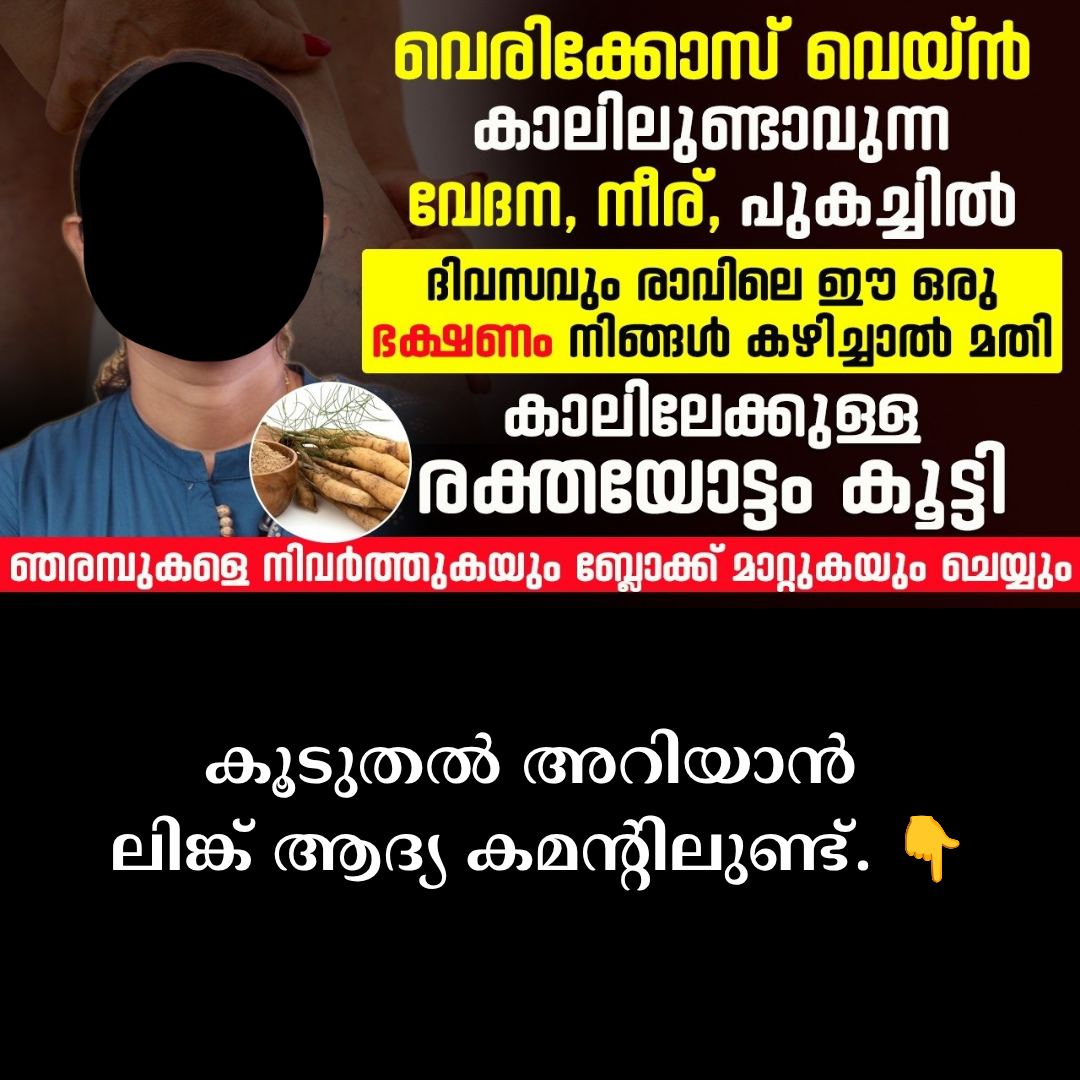
\Veins are the vessels that carry blood from our legs back to the heart. There are small valves inside the veins to prevent blood from flowing back down. Varicose veins occur when these valves become weak.
Weak valves:
When the valves in the veins do not work properly, blood does not reach the heart completely and starts to pool in the veins. This causes the blood vessels to thicken and swell.
Prolonged standing:
People who work continuously for long periods of time (for example, teachers, security guards, and salespeople) are more likely to have blood pooling in the veins in the legs. This puts excessive pressure on the valves.
Age and genetic factors:
As we age, the elasticity of the veins decreases. Similarly, if someone in your family has varicose veins, you are more likely to get it.
Pregnancy:
During pregnancy, the amount of blood in the body increases and the uterus enlarges, which increases the pressure on the veins. Hormonal changes can also be the cause.
Obesity:
As you gain weight, the veins in your legs feel heavier and have difficulty pumping blood.
Main symptoms:
Blue or purple colored swollen veins appear in your legs.
Heaviness and pain in your legs.
Cramps in your legs at night.
Fluid retention.
What to do?
Raise your legs: Keeping your legs slightly elevated while sitting or lying down can help improve blood flow.
Compression stockings: Using compression stockings as prescribed by your doctor can help blood flow back to the heart.
Exercise: Exercises like walking and swimming can strengthen the leg muscles and increase blood flow.
Surgery/Laser: If the condition is severe, laser treatment or surgery may be required as recommended by the doctor.