Continuous heat and cold (Thermal Expansion & Contraction):
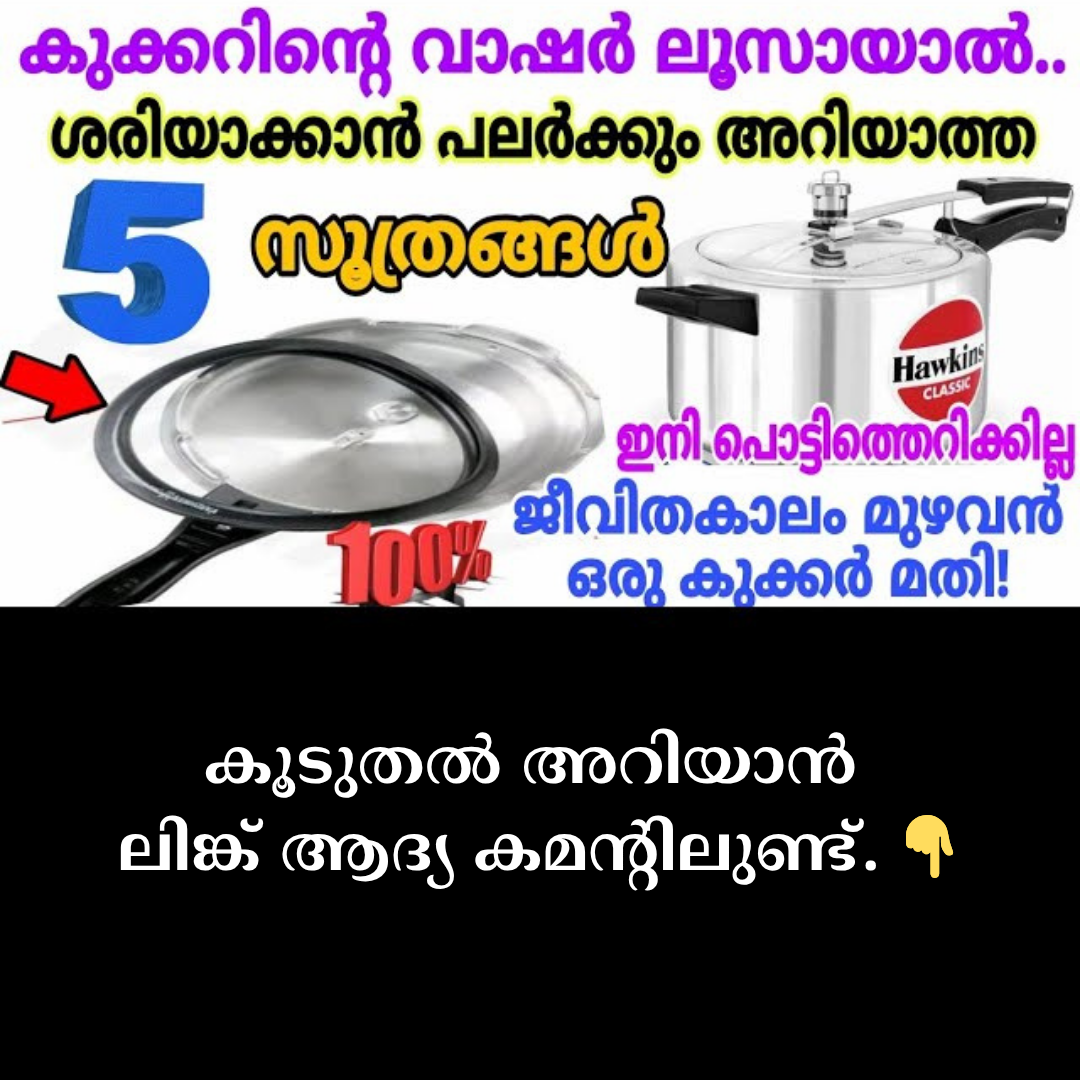
In the case of cookers: When the cooker is used, the rubber washer expands due to the high temperature inside. When it is removed from the stove, it cools down and returns to its original shape. When this expansion and contraction continues, the rubber loses its elasticity and becomes loose.
High Pressure:
The steam pressure in the cooker tries to push the washer out. Over time, this pressure changes the shape of the rubber and makes it loose.
Oil & Grease Exposure:
In the case of mixers: When grinding in the jars of the mixer, oily or fatty foods can enter the washer. When the rubber comes into contact with oil, it softens (degradation) and increases. This is why the washer of the mixer quickly becomes loose.
Poor quality material:
Such washers are often made of cheap rubber. Such washers are less able to withstand high temperatures and pressures.
Improper cleaning:
Rubbing with a brush while washing dishes or putting the washer in very hot water will damage its structure.
What to do? (Practical Tips)
In the case of a cooker:
Do not immerse the cooker in cold water while it is still hot after using it. This will damage the washer. Wash it only after it has cooled down a little.
If you feel that the washer is too loose, it is safe to replace it with a new one. This is necessary to prevent gas leakage.
In the case of a mixer:
After washing the jar, it is a good idea to remove the washer, dry it and put it back.
After grinding the mixer, place the jar in a ventilated place and dry it.
If the washer is slipping, check whether the screw at the bottom of the jar is properly tightened.