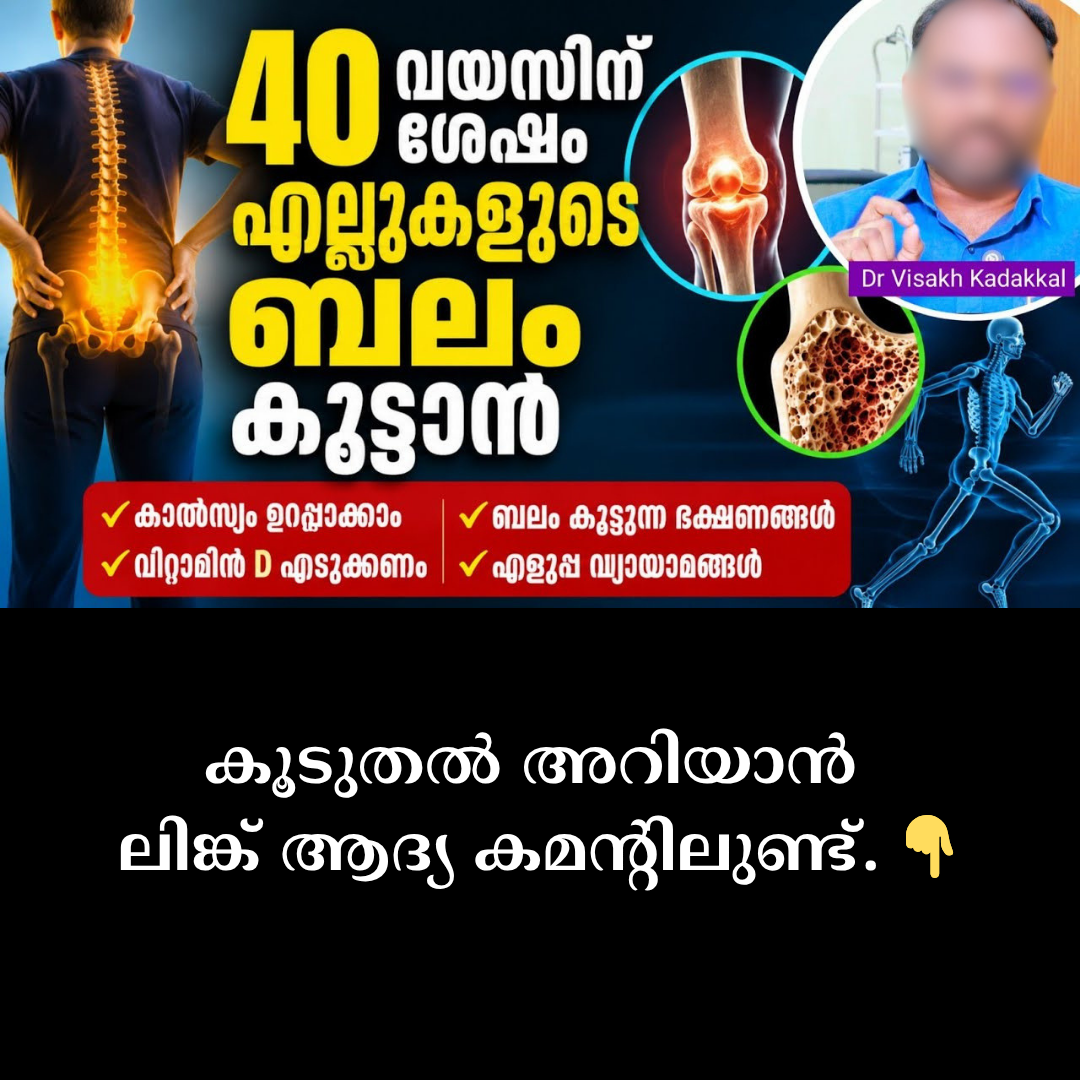
The skeleton or bones are what give our body a proper structure and protect our internal organs. But many people do not give the same importance to bone health as they give to hair care and skin care. After the age of thirty, the bone mineral density of the body starts to decrease naturally. If the strength of the bones is not maintained at this stage, it can lead to major accidents. Here are 5 main scientific reasons to maintain bone health:
Preventing Osteoporosis: Osteoporosis is a condition in which the bones become porous and weak with age and break easily. Especially in women, the strength of the bones decreases rapidly after menopause due to the decrease in the estrogen hormone. This fatal condition can be prevented only by ensuring the protection of the bones from a young age.
To maintain calcium reservoir: 99% of the calcium in our body is in the bones and teeth. Calcium is always needed in the blood to maintain a regular heartbeat and muscle movement. When the calcium in the food we eat is low, the body takes calcium from the bones. This makes the bones hollow from the inside. Therefore, calcium storage must be correct to maintain the strength of the bones.
To avoid fractures (Reducing Fracture Risk): Even a small fall or a bump in people with weak bones can cause severe fractures in the hip, spine, and wrist. In the elderly, hip fractures can make them bedridden and lead to other health problems.
To prevent wear and tear and curvature of the spine: The spine is what helps our body stand upright. When the bones become weak, the vertebrae in the spine can wear out (Spondylosis) or become compressed. This can lead to stooped posture and chronic back pain as we age.
For smooth movement of joints: Only when the bones are strong can the joints and cartilage attached to them function properly. When the health of the bones deteriorates, it puts excessive pressure on the joints and leads to knee pain and wear and tear (Osteoarthritis).