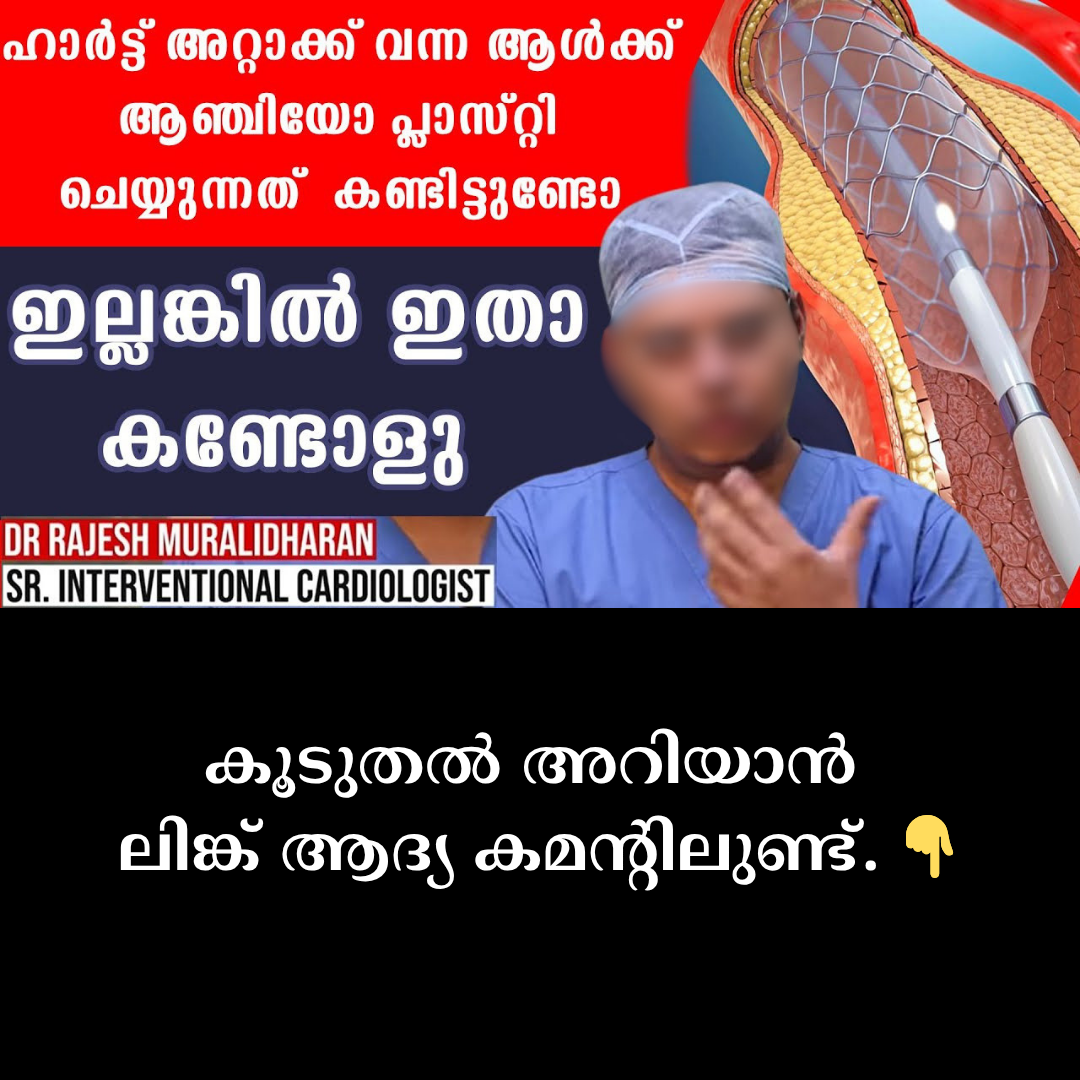
Angioplasty is a treatment method that removes the blockage and restores blood flow when blood flow is blocked due to the accumulation of fat and other substances (plaque) in the arteries that supply blood to the heart muscle. It is not a surgery, but a minimally invasive procedure. The main situations in which angioplasty is needed are:
Coronary Artery Disease: When more than half of the blood flow is blocked due to fat deposits in the blood vessels, the heart does not get the necessary oxygen. At this stage, angioplasty is needed to remove the blockage.
Heart Attack: When a heart attack occurs, primary angioplasty is performed immediately to remove the sudden complete blockage in the arteries and protect the heart muscle.
Chronic chest pain (Angina): When you feel a heaviness and discomfort in your chest while walking or doing strenuous work and it does not go away with medications, angioplasty provides relief.
When medications do not work: Doctors recommend this method in cases where medications given to relieve blockages in the blood vessels do not give the desired results.
When the efficiency of the heart decreases: When the pumping capacity of the heart decreases or when you feel short of breath due to reduced blood flow, angioplasty can improve blood flow.
https://youtu.be/SvsEOLzplFE