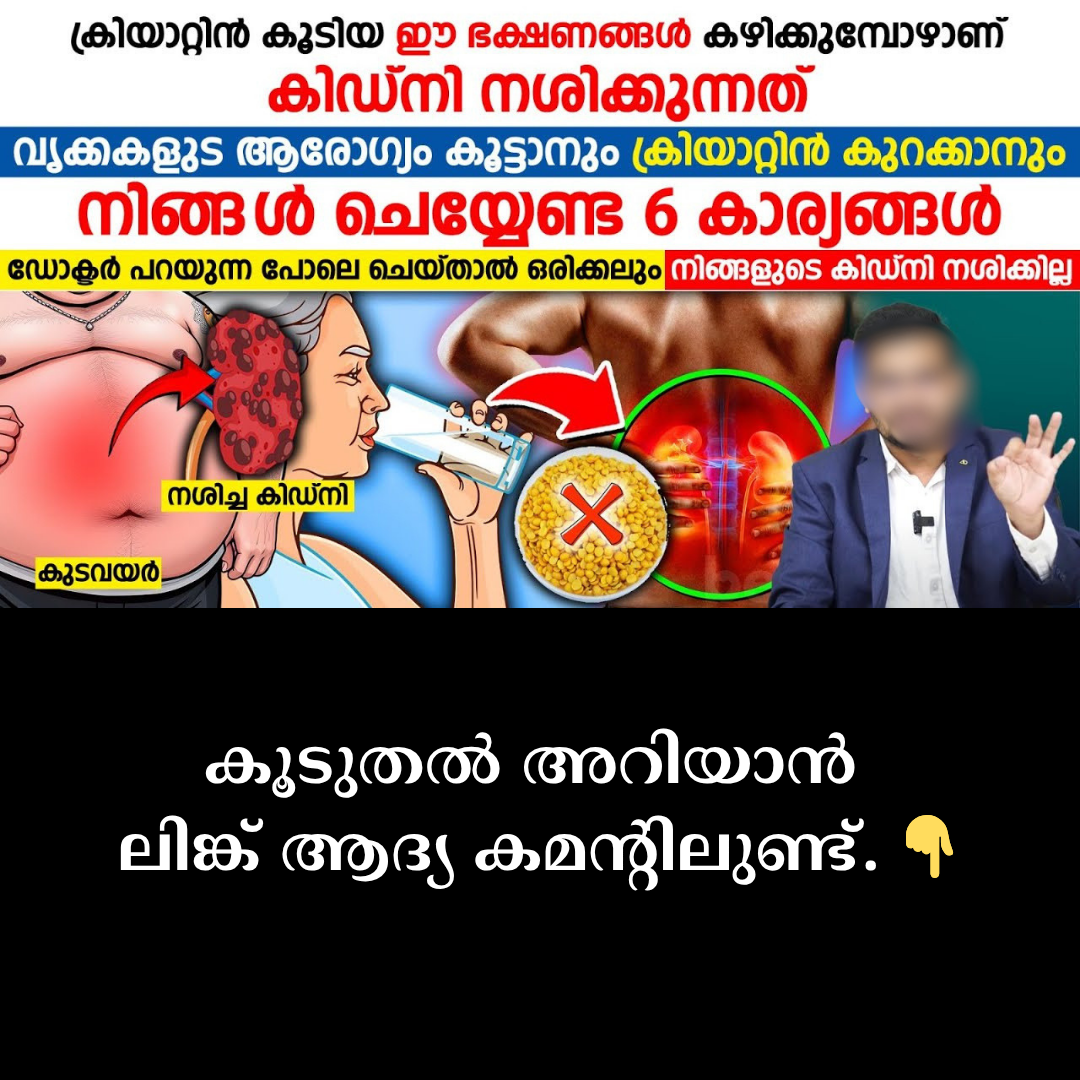
Creatinine is a waste product produced by the body’s muscle activity. Normally, the kidneys filter it and excrete it through urine. However, its increased level in the blood can be a sign of decreased kidney function.
The main causes of increased creatinine are:
Uncontrolled diabetes and high blood pressure: High sugar levels and high blood pressure damage the delicate blood vessels in the kidneys. This reduces the kidneys’ ability to excrete waste.
Dehydration: When the amount of water in the body decreases, the blood volume decreases and blood flow to the kidneys is obstructed. This can temporarily cause creatinine to increase.
Excessive protein intake: Excessive protein intake through red meat (beef, mutton) and supplements can increase creatinine levels. It also increases in people who exercise hard and when the muscles are strained.
Side effects of medications: Painkillers and some antibiotics taken for a long time without a doctor’s prescription can damage the kidneys.
Kidney stones and obstructions: Stones in the urinary tract or kidneys can cause urinary obstruction, which puts pressure on the kidneys and increases creatinine levels.